
Learning how to clean a leather jacket is one of the most useful skills for any leather lover. A good jacket can last for decades, but only if you look after it. Dirt, sweat, rain and everyday wear slowly build up, and if you ignore them, the leather dries out, stains set in and the colour fades. The good news is that most cleaning can be done at home with a few simple supplies. You just need to know what kind of leather you have, use gentle products, and never rush the job. This guide covers smooth leather, suede and nubuck, plus stain removal, conditioning and drying.
How to Clean a Leather Jacket: Know Your Leather First
Before you touch your jacket with water or any cleaner, find out what kind of leather it is. The care label inside usually tells you. Smooth leather feels flat and slightly shiny, and water beads on it briefly. Suede feels soft and velvety, and water soaks in at once and leaves a dark mark. Nubuck feels similar to suede but is a little firmer.
This matters because the method that works on smooth leather can ruin suede. Water, soap and conditioner are fine for smooth finished leather in small amounts, but they stain suede and nubuck. Suede needs dry tools such as a suede brush and a suede eraser, and almost no water. If you are not sure what you have, test any product on a hidden spot first, such as the inside of a hem, and wait a day before treating the whole jacket. Also check whether it is real leather or faux leather, since faux leather does not need conditioning.
Supplies You Need and What to Avoid
For a smooth leather jacket you need two or three clean microfiber cloths, a bowl of lukewarm water, a leather cleaner or a very mild soap, and a good leather conditioner. For suede or nubuck you need a suede brush, a suede eraser, and a suede protector spray.
Just as important is knowing what to avoid. Never use bleach, ammonia, alcohol, acetone, or household all purpose cleaners on leather. They strip the natural oils and the finish, and they can leave pale patches that never fade. Never use baby wipes, because many contain alcohol that dries leather out. Never use a rough sponge or a stiff brush on smooth leather, and never put a leather jacket in a washing machine or a dryer. Use only products made for leather, and use a small amount.
Step-by-Step: How to Clean a Smooth Leather Jacket
This is the method for smooth finished leather, which is what most classic biker jackets, bomber jackets and moto jackets are made from. First, empty the pockets and shake the jacket gently to remove loose dust. Hang it on a wide hanger and brush it lightly with a dry microfiber cloth, paying attention to the collar, the cuffs and the seams.
Next, dampen a clean microfiber cloth with lukewarm water and wring it out well. Wipe the whole jacket in small sections, using light, even strokes. Now apply a small amount of leather cleaner to a fresh cloth, never directly onto the jacket. Work it into one panel at a time in small circles, using light pressure. If you are using mild soap instead, add one or two drops to a bowl of lukewarm water, dip the cloth, wring it out, and wipe the same way. Do not soak the leather.
Once you have cleaned the whole jacket, wipe it again with a clean cloth dampened with plain water to remove any soap residue. Then pat it dry, hang it on a wide padded hanger away from sunlight and radiators, and let it dry naturally for several hours. See also the guide from Harley-Davidson on how to clean a leather jacket (https://www.harley-davidson.com/us/en/content/expert-advice/how-to-clean-leather-jacket.html).
How to Clean a Suede Jacket
Suede is the most delicate common jacket leather, and it needs a dry method. Do not use water, soap, or regular leather cleaner on suede, because water leaves dark marks and stiff patches on the nap. Start with a suede brush, working gently in the same direction to lift dust and restore the nap, paying attention to the collar and cuffs.
For marks and light stains, use a suede eraser, which looks like a small rubber block. Rub it gently over the mark, then brush the area again. For more stubborn dry dirt, a suede cleaner can help, but follow the product instructions exactly and test it on a hidden spot first.
If your suede jacket gets wet in the rain, blot it gently with a clean dry towel, stuff the sleeves lightly with clean paper to hold the shape, and let it air dry at room temperature. Once dry, brush it again and spray on a suede protector.
How to Clean a Nubuck Jacket
Nubuck looks and feels a lot like suede, but it is made from the top grain of the hide, so it is slightly tougher. Even so, it needs the same gentle, mostly dry approach. Brush it with a nubuck or suede brush, use a nubuck eraser for scuffs, and use a nubuck cleaner for stains, in the smallest amount possible. Keep it dry, and protect it with a nubuck protector spray in light even coats.
Cleaning Method by Leather Type
The table below sums up the right approach for each type of jacket leather.
| Leather type | Cleaning method | What to avoid | Conditioning |
|---|---|---|---|
| Smooth finished leather | Damp cloth, leather cleaner, mild soap | Soaking, bleach, ammonia, alcohol | Leather conditioner every 3 to 6 months |
| Suede | Suede brush and suede eraser, dry cleaning | Water, soap, regular conditioner | Suede protector spray only |
| Nubuck | Nubuck brush and eraser, nubuck cleaner | Water, soap, regular conditioner | Nubuck protector spray |
| Faux leather | Damp cloth with mild soap | Leather conditioner, harsh solvents | None needed |
| Aniline leather | Dry cloth only, specialist cleaner | Water, soap, household cleaners | Specialist aniline conditioner |
Aniline leather has almost no protective coating, so water can leave permanent marks. Clean it as little as possible, use only products made for aniline leather, and take serious stains to a professional.
Removing Common Stains from a Leather Jacket

Stains are easier to remove when they are fresh, so act quickly and stay calm. The first rule for any stain is to blot, never rub. Rubbing pushes the stain deeper into the leather and can damage the finish.
For water spots on smooth leather, let the jacket dry fully first. Often the mark fades on its own. If a ring remains, dampen the whole panel lightly and evenly with a damp cloth and let it dry slowly at room temperature.
For grease or oil stains, sprinkle cornstarch or talcum powder on the spot and leave it for several hours or overnight. The powder absorbs the oil. Brush it off gently and repeat if needed. Do not use dish soap or degreaser, because they strip the leather.
For ink stains, use a small amount of leather cleaner on a cotton swab, dabbing gently. Ink is one of the hardest stains to remove, and if the mark does not lift after a few gentle attempts, stop and take the jacket to a leather specialist. For salt stains, wipe with one part white vinegar to two parts water, then wipe again with a clean damp cloth and condition once dry. For mould, wipe the area outdoors with equal parts water and white vinegar, let it dry fully, and condition it. The everyday guide to leather care (https://www.everyday-guide.com/the-ultimate-guide-to-leather-care-preserving-the-beauty-and-durability-of-leather-goods/) also covers cleaning, conditioning and storage.
Conditioning and Drying Your Jacket
Conditioning is the step most people skip, and it is the step that makes the biggest difference over time. Leather is skin, and like skin it dries out. Without conditioner, it becomes stiff, dull and eventually cracked. With regular conditioning, it stays soft, rich in colour and flexible.
After cleaning, wait until the jacket is completely dry. Put a small amount of conditioner on a clean soft cloth and rub it into the leather in small circles, one panel at a time, in a thin even layer. Condition a jacket you wear often about twice a year, and one you wear rarely about once a year. Do not overdo it, because conditioning too often clogs the pores and can darken the leather.
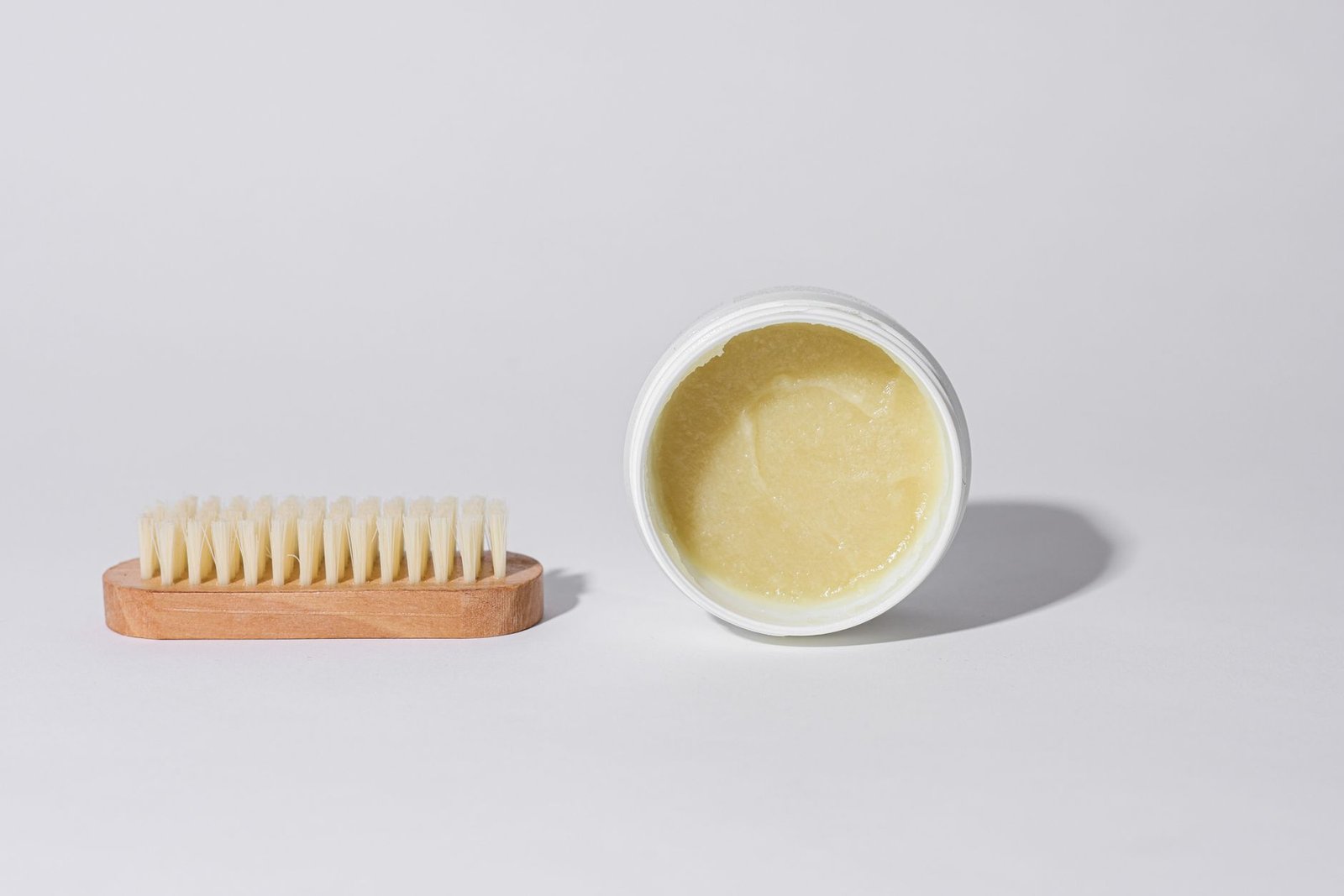
Drying matters just as much as cleaning. Never use a hair dryer, a radiator, or direct sunlight to dry a leather jacket. Heat makes leather stiff and can cause cracks. Always air dry at room temperature on a wide padded hanger, away from heat and sun. Stuff the sleeves lightly with clean white paper if the jacket is very wet, so it keeps its shape.
Mistakes to avoid: never soak the jacket, never use household cleaners, never dry it with heat, never store a damp jacket in a plastic bag, and never ignore a smelly lining. Wipe the lining with a cloth dampened with mild soapy water and let it air dry. If you own pieces from famous leather houses, our guides to Goyard, which country brand (https://leathertrades.com/goyard-which-country-brand/), Louis Vuitton, which country brand (https://leathertrades.com/louis-vuitton-which-country-brand/) and Fossil, which country brand (https://leathertrades.com/fossil-which-country-brand/) explain the brands behind them.
Frequently Asked Questions
Can I wash a leather jacket in a washing machine?
No. Water, detergent and tumbling strip the oils, warp the shape and can cause permanent stiffness and cracking.
How do I clean a leather jacket at home without a special cleaner?
Use a cloth dampened with lukewarm water and a drop or two of mild, fragrance-free soap. Wipe gently, remove the residue, air dry, and condition once dry. Smooth leather only.
How often should I condition my leather jacket?
About twice a year if you wear it often, and about once a year if you wear it rarely. Dry or stiff leather needs conditioning.
Can I use water on a suede jacket?
No. Water leaves dark marks and stiff patches on suede. Use a suede brush, a suede eraser, and a suede protector spray.
How do I remove an oil stain from a leather jacket?
Sprinkle cornstarch or talcum powder on the stain and leave it for several hours or overnight. Brush the powder off gently and repeat if needed.
How do I get rid of a bad smell in a leather jacket?
Air the jacket outside in the shade, then wipe the lining with a cloth dampened with mild soapy water and let it dry.
Can I use coconut oil or olive oil on my leather jacket?
It is not recommended. Kitchen oils can go rancid, darken the leather unevenly and leave a greasy feel. Use a leather conditioner instead.
How do I clean a leather jacket collar?
Wipe it with a damp cloth and a small amount of leather cleaner, then dry and condition it. Repeat gently for heavy build up.
What should I do if my leather jacket gets soaked in the rain?
Blot it with a clean towel, hang it on a wide hanger at room temperature, and let it air dry slowly away from heat and sunlight.
Can a dry cleaner clean a leather jacket?
Many dry cleaners accept leather, but most send it to a specialist. For expensive or vintage jackets, go directly to a leather specialist.
How do I store a leather jacket?
Hang it on a wide padded hanger in a cool, dry, ventilated place, inside a breathable cotton garment bag. Never use a plastic bag.
Why is my leather jacket cracking?
Cracking usually means the leather has dried out from lack of conditioning, too much sun, or heat exposure. Deep cracks cannot be fully reversed.