
Leather changes over time. It dries out, stiffens, loses its shine and eventually cracks. Learning how to condition leather is the simplest way to stop that from happening. Conditioning feeds the fibres with the oils and moisture they slowly lose through everyday use, sun, heat and dry air. Done properly, it keeps leather soft, flexible and good looking for years.
The good news is that conditioning leather is not difficult. You do not need special tools or training. You need the right conditioner for your type of leather, a couple of soft cloths and the steps in this guide. Whether you are conditioning a handbag, a jacket or a pair of boots, the process is mostly the same.
What Does It Mean to Condition Leather?
Conditioning leather means putting moisture and nourishing oils back into the hide. Leather is animal skin, and like skin it dries out when it loses its natural oils. When leather dries, it becomes stiff and brittle. Small cracks appear around creases and folds, then deepen until the leather splits.
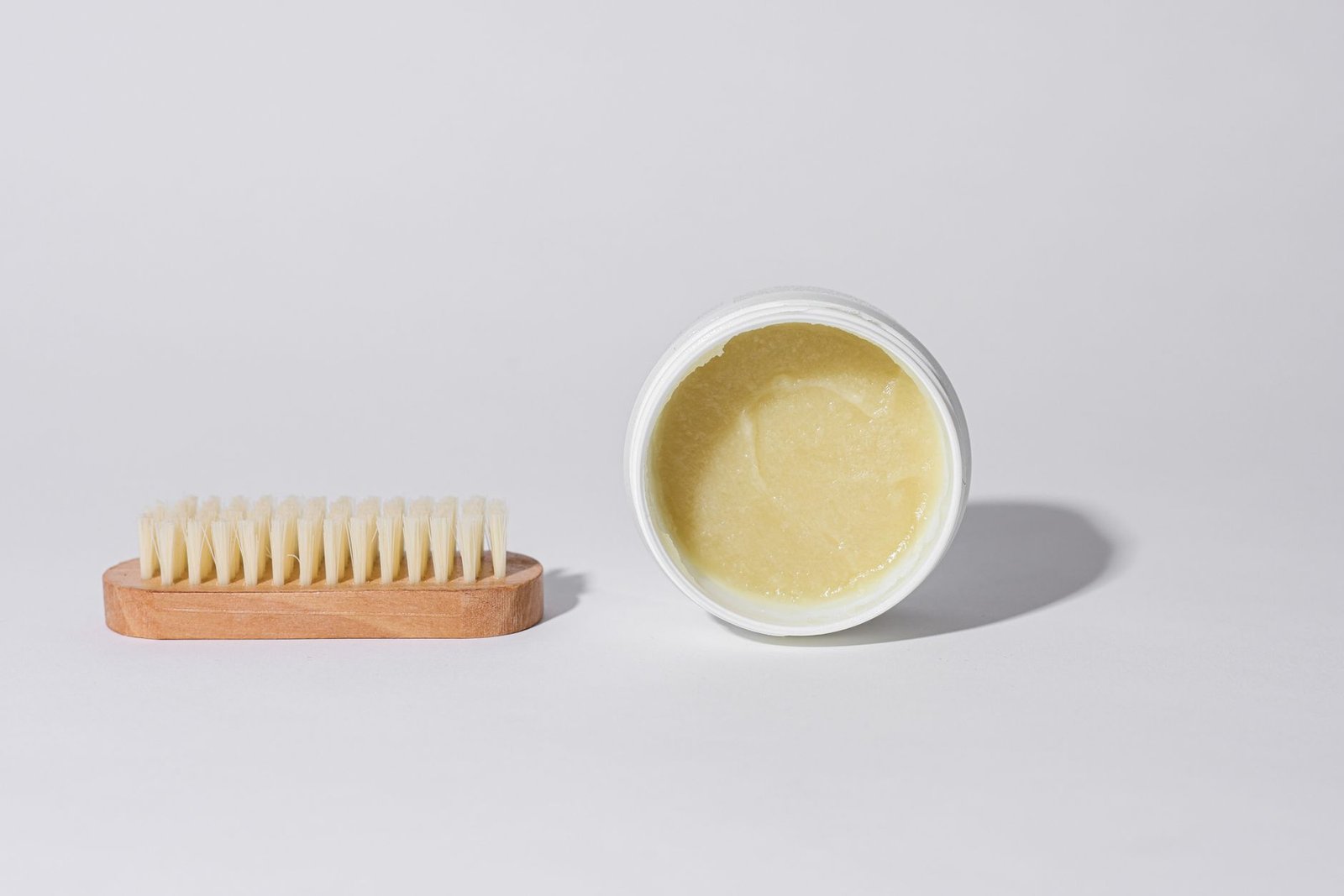
A conditioner is a cream, balm, oil or lotion made to sink into the leather and replace what has been lost. A good conditioner soaks in, softens the fibres from the inside and leaves a light protective layer on the surface. That layer helps the leather resist water, dirt and scuffs, and it brings back the rich colour and gentle sheen that new leather has.
Conditioning is different from cleaning. Cleaning removes dirt from the surface, while conditioning feeds the leather underneath, so always clean first.
Why Conditioning Leather Matters
Leather gets better with age, but only when it is looked after. A well cared for jacket develops a beautiful patina, the soft sheen of years of wear. A neglected one simply falls apart. Conditioning is the single most important part of that care.
First, it prevents cracking. Dry leather cracks, and once a crack forms it cannot be undone. Regular conditioning keeps the fibres supple so they bend instead of breaking.
Second, it improves water resistance. Conditioned leather sheds light rain and spills better than dry leather, because the oils fill the tiny pores in the surface. It is not a full waterproofing treatment, but it makes a real difference day to day.
Third, it keeps the colour rich. Sunlight and dry air fade leather, and a conditioner restores some of that depth. This shows most on dark leather, which can turn grey and dull when it dries out. Finally, it saves money. A bag or pair of boots can last ten or twenty years with basic care.
How to Condition Leather: Step by Step
Here is the full process. The job takes around thirty minutes of work, plus a few hours while the conditioner soaks in.
Step 1: Clean the Leather First
Remove dust with a dry, soft cloth, paying attention to seams and folds. If the leather is visibly dirty, clean it with a proper leather cleaner or a slightly damp cloth with a tiny amount of mild soap. Do not soak the leather. Let it dry completely at room temperature, away from radiators and sunlight, and never use a hairdryer. Never condition damp leather.
Step 2: Test the Conditioner in a Hidden Spot
Test the conditioner somewhere hidden, such as the inside of a flap or under a collar. Rub a small amount in with a cloth and wait a few minutes. Most conditioners darken leather slightly while wet, but the colour usually returns as it dries. Some darken light leather permanently. If the test spot looks wrong, try a different product.
Step 3: Apply a Small Amount of Conditioner
Put a small amount on a clean, soft cloth, not directly on the leather. Rub it in using small, gentle circles, working one section at a time with a thin, even layer. Two thin coats beat one thick coat, which sits on the surface, feels greasy and attracts dust.
Step 4: Let the Conditioner Soak In
Leave the item alone for at least a few hours, or overnight. Keep it in a cool room away from sun and heat, and do not use it meanwhile. The leather will look darker and slightly damp at first. That is normal. As it absorbs, the colour settles and the leather feels softer.
Step 5: Buff Off the Excess
Take a second clean, dry cloth and buff gently. This removes conditioner that did not absorb and leaves a soft, even finish with a light shine. Keep going until the cloth comes away clean and the leather feels dry, not tacky. If it still feels sticky, you applied too much. Buff again and use less next time.
Step 6: Repeat If the Leather Is Very Dry
Very dry leather often needs a second coat. If the first coat vanished quickly and the leather still feels stiff or looks dull, repeat steps three to five. Older items that have never been conditioned may need two or three light coats. Leather dry for years will not recover in one afternoon, but each coat helps.
Choosing the Right Leather Conditioner
Not all conditioners are the same, and picking the wrong one can do more harm than good. The main types are creams, balms and oils.
| Conditioner type | Best for | Watch out for |
|---|---|---|
| Cream conditioner | Most smooth leather bags, jackets and shoes | Avoid on suede and nubuck |
| Balm or wax conditioner | Boots, work leather, outdoor gear | Can feel heavy on soft, fine leather |
| Oil conditioner (neatsfoot, mink oil) | Very dry, stiff or old leather | Darkens leather, can over soften thin leather |
For most people, a simple cream conditioner is the safest starting point. It works on most smooth leather goods. Use oils carefully, especially on light coloured leather, because they can darken it permanently.
Avoid household products. Olive oil, coconut oil, hair conditioner and furniture polish are often suggested online, but they are not made for leather. Cooking oils can go rancid and leave a smell, and furniture polish usually contains silicones that stop the leather from breathing.
How to Condition Different Types of Leather
Different leathers need different care. What works on a full grain bag can ruin a suede jacket. Check the care label or the maker’s website before you condition anything.
| Leather type | Can you condition it? | What to use |
|---|---|---|
| Full grain leather | Yes | Cream or balm conditioner |
| Top grain leather | Yes | Cream conditioner, applied lightly |
| Genuine leather | Yes | Cream conditioner |
| Suede | No | Suede protector spray only |
| Nubuck | No | Nubuck protector spray only |
| Patent leather | No | Damp cloth and patent cleaner |
Smooth, finished leather loves conditioner. Suede, nubuck and patent leather do not. If you condition suede by mistake, the nap flattens and dark patches appear. When in doubt, check the label first.
How Often Should You Condition Leather?
It depends on the item, how often you use it and the climate you live in. As a general guide, most leather goods benefit from conditioning every three to six months.
| Item | How often | Signs it needs conditioning |
|---|---|---|
| Everyday leather bag | Every 3 to 4 months | Feels stiff, looks dull, creases whiten |
| Leather jacket | Every 6 months | Feels dry, elbows and shoulders look faded |
| Leather shoes and boots | Every 1 to 2 months | Scuffs easily, looks dry after cleaning |
| Leather sofa | Every 6 to 12 months | Surface feels dry, colour looks flat |
The best test is the touch test. If the leather feels supple and smooth, it is probably fine. If it feels dry, papery or stiff, it is time to condition. Pale or white creases are an early warning sign too.
Do not overdo it either. Conditioning every week will not make leather last longer. Too much conditioner clogs the pores and leaves a sticky layer, so stick to the schedule above.
Common Mistakes When Conditioning Leather
Most damage from conditioning comes from a handful of avoidable mistakes. First, conditioning dirty leather. Dirt trapped under conditioner grinds into the surface and can stain, so always clean first. Second, using too much product. A thick coat sits on the surface, feels greasy and attracts dust, so start small and add more only if the leather drinks it up. Third, using the wrong product. Cream on suede, oil on a light coloured bag, furniture polish on a jacket. All cause damage that is hard to reverse, so match the product to the leather. Fourth, skipping the patch test. Dye and finish differ from one item to another, so a two minute test in a hidden spot is cheap insurance. Fifth, drying with heat. Radiators, hairdryers and direct sun can leave dark patches, so always let leather dry naturally. Sixth, conditioning brand new leather straight away. New leather usually leaves the maker already conditioned, so wait a few months, or until it feels dry.
How to Condition Leather Bags, Jackets, Shoes and Sofas
The steps are the same for every item, with a few quirks worth knowing.
For a leather bag, empty it completely first. Condition the panels, handles and straps, which dry fastest from hand oils and sweat, and do not forget the base. Stuff it loosely with tissue paper while it dries. Our guide to cleaning leather bags explains the cleaning step first.
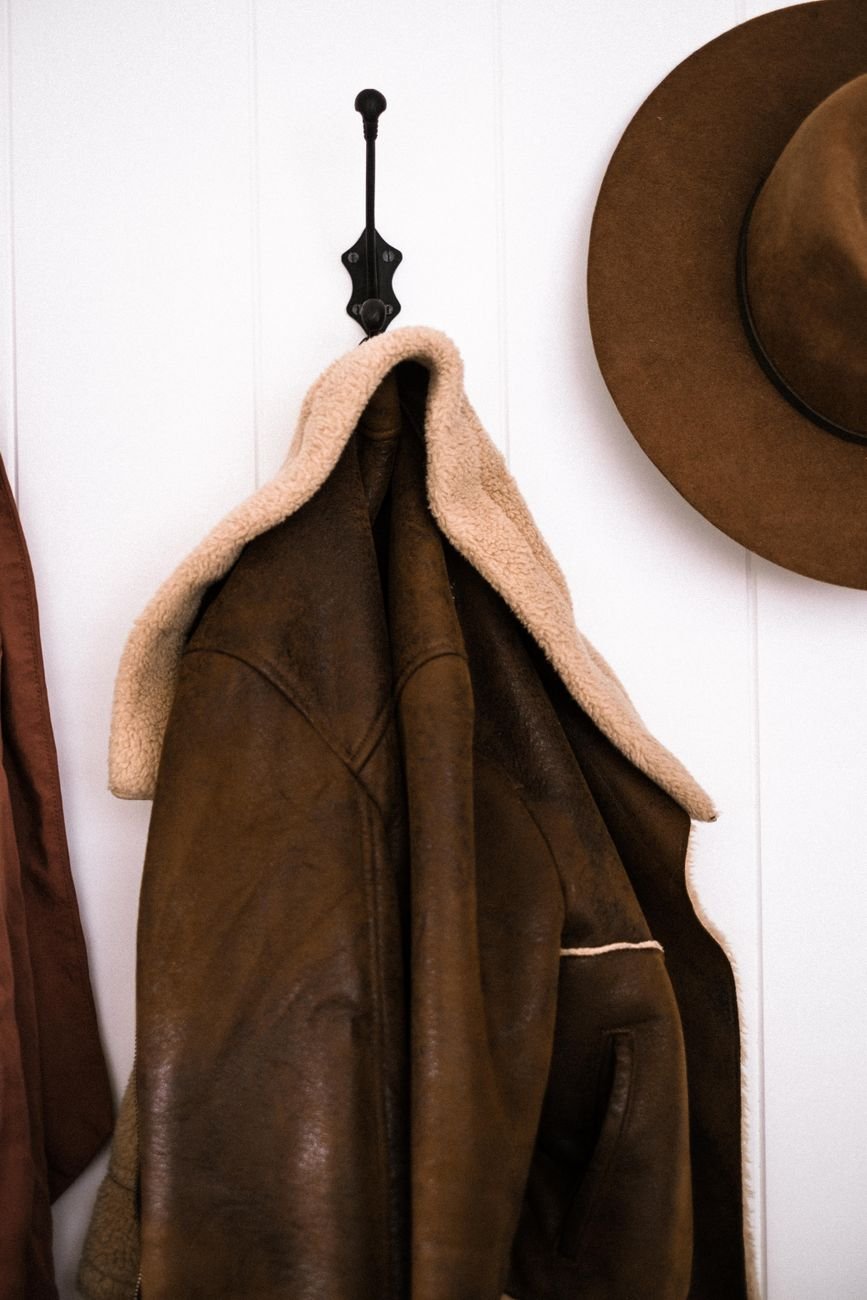
For a leather jacket, hang it on a wide, padded hanger. Work in sections, paying extra attention to elbows, cuffs and collar, including the inside of the collar, where sweat collects. Let it hang overnight before wearing it again. Our guide on how to clean a leather jacket walks through the cleaning step.
For shoes and boots, remove the laces and insoles. Apply conditioner sparingly around stitching, since too much can soften the thread. Dry them with shoe trees inside. Our guide to cleaning leather shoes covers the full cleaning routine.
For a sofa, vacuum first, test on a hidden corner, work in sections and buff well, since excess conditioner shows as shiny patches. A wallet is the smallest job: empty it, wipe it clean, apply a tiny amount with your fingertip and buff it dry.
How to Condition Leather Without Ruining It
Remember these rules. Clean before you condition. Test in a hidden spot. Use a thin, even coat and let it soak in. Buff off the excess. Match the product to the leather you have.
Thirty minutes every few months keeps a bag soft, a jacket supple and boots comfortable. Leather rewards care. It ages with you, picks up character and, when looked after, lasts long enough to be handed down. Start with the item you use most.
For background, see the article on leather on Wikipedia, the page on neatsfoot oil on traditional leather care oils, and the article on tanning on how raw hides become leather.
How do you condition leather for the first time?
Clean the item first and let it dry fully. Test the conditioner in a hidden spot and wait for it to dry. Then apply a thin coat with a soft cloth, let it soak in for a few hours or overnight, and buff off the excess with a clean cloth.
How often should you condition leather?
Most leather goods need conditioning every three to six months. Everyday bags and shoes need it more often, around every three months, while jackets, sofas and rarely used items are usually fine every six to twelve months.
Can you use olive oil to condition leather?
It is not recommended. Olive oil and other cooking oils can go rancid, leave a smell and darken leather unevenly. A proper leather conditioner is made for the job and costs little, so it is the safer choice.
Does leather conditioner darken leather?
Most conditioners darken leather slightly while wet, and the colour usually returns close to normal as it dries. Oils darken more than creams, and light coloured leather shows the change most. Always test in a hidden spot first.
Can you condition suede leather?
No. Cream, balm and oil conditioners stain suede and flatten its nap. Use a suede protector spray instead, and brush suede with a suede brush to keep it looking fresh.
Should you condition leather before or after cleaning it?
Always clean first, then condition. Conditioning over dirt seals the dirt into the leather. Let the leather dry completely after cleaning before you apply any conditioner.
How long should leather conditioner soak in?
Leave it for at least a few hours, and overnight is best for very dry leather. Do not use or wear the item while the conditioner is soaking in, and keep it away from heat and direct sunlight.
Can you over condition leather?
Yes. Too much conditioner clogs the pores, leaves a sticky surface and can weaken the fibres over time. Stick to a thin coat, buff off the excess, and condition every few months rather than every week.
What is the best conditioner for a leather bag?
A cream conditioner is the best starting point for most smooth leather bags. It soaks in evenly, is easy to control and leaves a light finish. Use a balm for heavier work leather and an oil only for very dry or old leather.
Can you condition a leather sofa?
Yes, smooth leather sofas benefit from conditioning every six to twelve months. Vacuum first, test in a hidden corner, apply in sections, and buff well so no shiny patches are left behind.
Does conditioning leather make it waterproof?
Conditioning improves water resistance because the oils fill the pores, but it does not make leather fully waterproof. Keep leather out of heavy rain and use a dedicated waterproofing product if you need stronger protection.
Can you condition bonded leather?
You can, but only very lightly and sparingly. Bonded leather has a thin surface layer that peels easily if it is overloaded with product. Use a small amount of light cream and stop if the surface feels sticky.
#LeatherConditioning #HowToConditionLeather #LeatherCare #LeatherConditioner #LeatherMaintenance #LeatherCleaningTips