
What is a messenger bag? It is a shoulder bag with a single long strap, worn across the body, with a wide flap that covers the main compartment. The flap usually closes with buckles, magnets, or hook and loop fasteners, and the bag sits at your hip, where you can reach into it with one hand without taking it off. That easy access is the whole point of the design.
The Key Features of a Messenger Bag
A messenger bag is defined by a few features that set it apart from a tote, a briefcase, or a backpack. The first is the cross body strap. It is long, wide, and adjustable, and it is meant to be worn diagonally across the chest, not on one shoulder. That spreads the weight and keeps the bag from sliding around while you walk or cycle.
The second is the flap. A messenger bag has a large flap that folds over the top and covers the whole opening. It protects the contents from rain, and it gives the bag its classic look. Under the flap there is usually a zip or an open top, so you get two layers of closure.
The third is the shape. Messenger bags are wider than they are tall, with a rectangular body that fits documents, books, and laptops flat. The base is usually flat so the bag stands on its own, and the sides are soft enough to expand when the bag is full.
Inside, most messenger bags have a padded laptop sleeve, a couple of slip pockets for a phone and pens, and a zip pocket for small valuables. Outside, there is often a pocket under the flap or on the back panel for things you need fast, like a transit card.
A Short History of the Messenger Bag
The messenger bag is older than the bicycle courier culture most people link it to. Shoulder bags of a similar shape have been used for centuries by anyone who needed to carry things and keep their hands free: Roman legionnaires, army medics, and postal workers all carried versions of it. The name comes from its widespread use by letter carriers, first on horseback and later on bicycles.
The modern version is usually credited to the De Martini Globe Canvas company. In the 1950s, De Martini began making a heavy canvas satchel for telephone linemen, who needed to reach their tools while working high on a telephone pole. The bag was made from cotton canvas with a waterproof lining, two closure straps, and a small internal pocket.
In the late 1970s and 1980s, bicycle messenger companies in cities like New York and San Francisco adopted the lineman’s bag. Congested city traffic made bike delivery faster than vans, and the messenger profession boomed. The bags were adapted for the job: bright colours to show which company a courier worked for, and reflective strips for safety at night and in bad weather. Brands like Timbuk2 and Chrome Industries, which started by making bags for bike messengers, gained cult followings.
By the 1990s the bag had crossed from work equipment into mainstream fashion. Students, commuters, and office workers picked it up because it carried a laptop, looked smarter than a backpack, and was easier to get into than a briefcase. Today the messenger bag is a staple of everyday carry, made in leather, canvas, and technical nylon. For further reading, see the history of the messenger bag, this messenger bag history, and the US Postal Museum.
Types of Messenger Bags
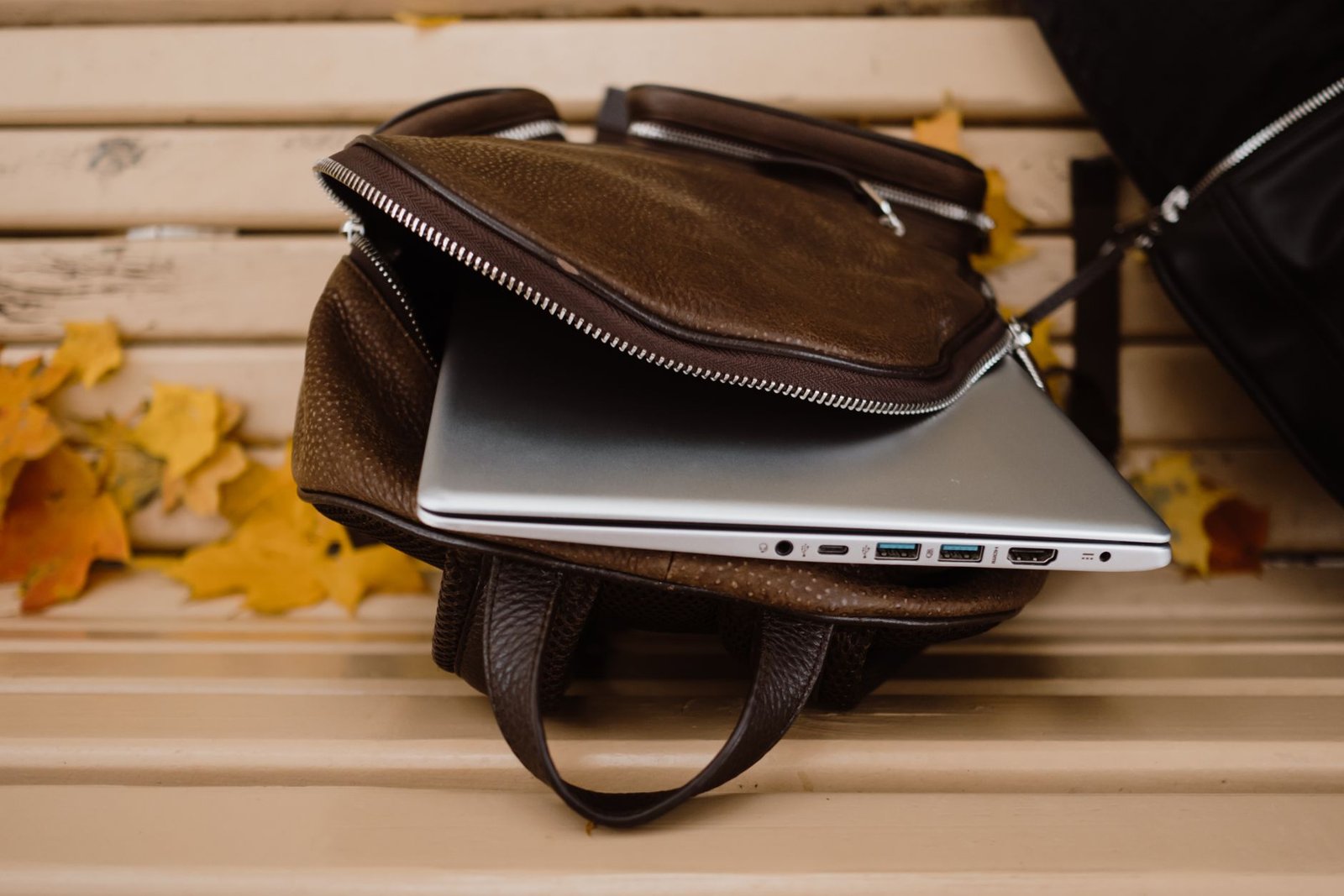
Messenger bags come in several types, and the right one depends on what you carry and where you carry it.
| Type | Best for | Typical size | Material |
|---|---|---|---|
| Classic canvas messenger | Cycling, commuting, students | Medium, 13 to 15 inch laptop | Waxed canvas, cotton duck |
| Leather messenger | Office, formal work, everyday | Medium to large | Full grain or top grain leather |
| Laptop messenger | Commuters carrying tech | 13, 15 or 17 inch laptop | Ballistic nylon, leather, canvas |
| Small messenger / sling | Light carry, phone, wallet, keys | Small, tablet size | Leather, nylon, canvas |
| Bike messenger bag | Couriers, heavy daily use | Large, expandable | Waterproof nylon, tarpaulin |
The classic canvas messenger is the closest to the original: simple, tough, and easy to repair. The leather messenger is the dressier cousin, better suited to an office or a client meeting. The laptop messenger is the most common type sold today, with a padded sleeve sized to a specific laptop and extra pockets for chargers and cables. The small messenger, sometimes called a sling bag, is for people who carry almost nothing: a phone, a wallet, keys, and a book.
Leather vs Canvas vs Nylon
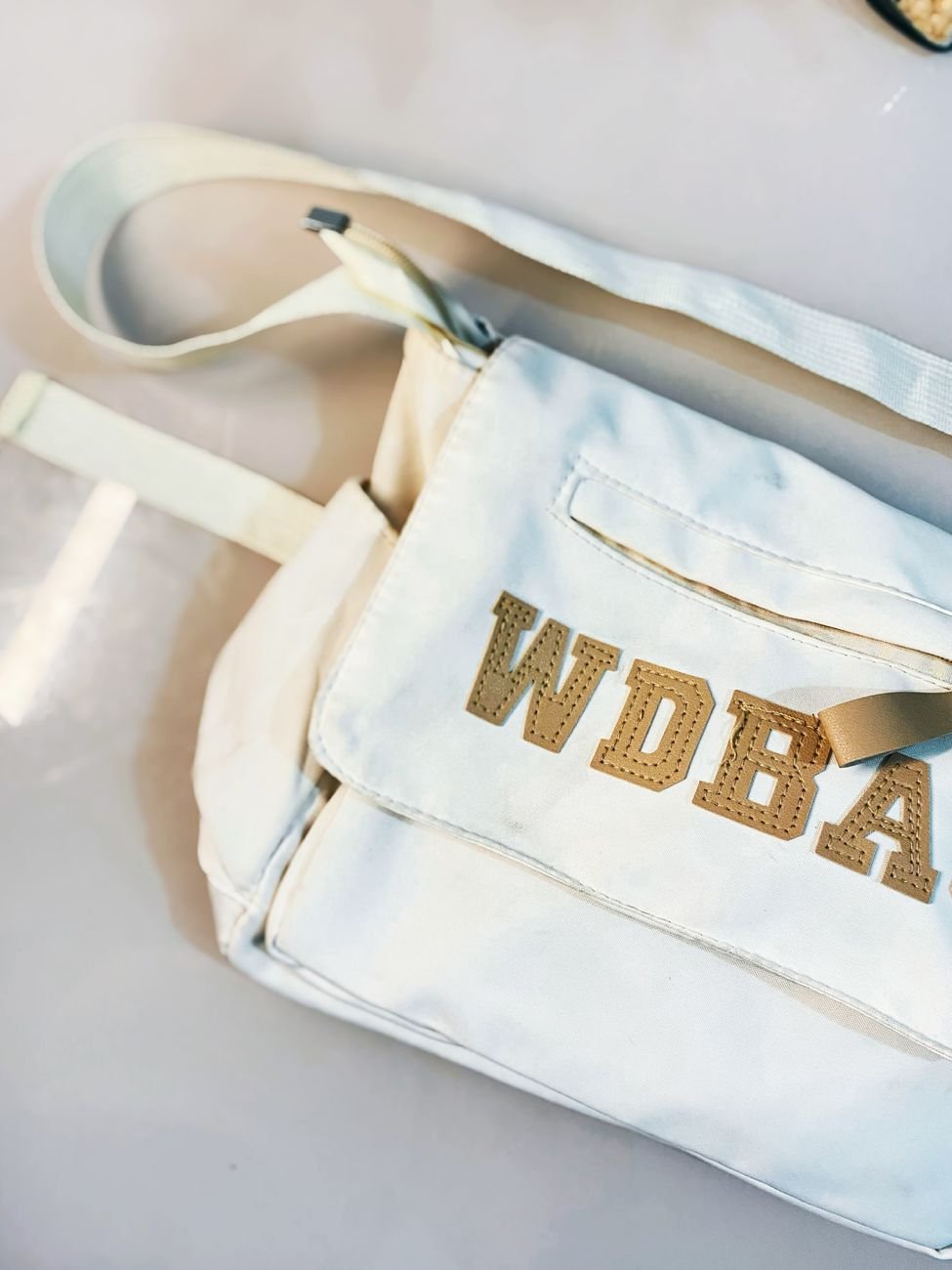
The material decides how a messenger bag looks, how it ages, and how much care it needs. Leather, canvas, and nylon each have a clear personality, and for leather bags the grade matters as much as the style, as our guide to what genuine leather is explains.
| Material | Look and feel | Durability | Water resistance | Care | Price |
|---|---|---|---|---|---|
| Full grain leather | Rich, develops patina | Excellent, decades | Moderate, needs proofing | Condition every few months | High |
| Top grain leather | Smooth, even, polished | Very good | Moderate | Clean and condition | Medium to high |
| Waxed canvas | Rugged, matte, casual | Very good | Good, wax repels water | Rewax occasionally | Medium |
| Ballistic nylon | Technical, modern | Excellent, resists tears | Good, often coated | Wipe clean | Medium |
| Cotton canvas | Soft, casual, light | Good | Low unless waxed | Wash or wipe | Low to medium |
Leather is the best choice if you want a bag that gets better with age. A full grain leather messenger develops a patina, softens with use, and can last twenty years or more. It needs conditioning every few months and protection from heavy rain, but it rewards the care. Canvas is lighter and more casual, and waxed canvas handles rain well. Nylon is the practical choice: light, tough, and easy to clean.
Messenger Bag vs Briefcase vs Backpack
Most buyers choose between these three. Each one suits a different kind of day.
| Bag | Carry style | Access speed | Capacity | Formality | Best for |
|---|---|---|---|---|---|
| Messenger bag | Cross body, one strap | Fast, one hand | Medium | Smart casual | Commuting, cycling, laptop carry |
| Briefcase | Hand or shoulder | Medium | Small to medium | Formal | Office, meetings, legal work |
| Backpack | Two straps, on the back | Slow, take it off | Large | Casual | Heavy loads, travel, students |
The messenger bag wins on access. You can swing it to your front, open the flap, and pull out a laptop or a document without stopping or taking the bag off. A backpack carries more and spreads weight better, but you have to take it off to reach anything. A briefcase looks the most formal, but it holds less and you carry it in your hand, which gets tiring.
For most people, the messenger bag is the middle ground: more professional than a backpack, more practical than a briefcase.
How to Choose the Right Size
Size is where most people go wrong. Too small, and your laptop does not fit. Too big, and the bag bangs against your leg all day and looks oversized. Start with your laptop: measure it, or check the maker’s stated laptop size, and buy a bag with a sleeve that fits it with a little room to spare. A 13 inch laptop fits a small to medium messenger, a 15 inch laptop needs a medium, and a 17 inch laptop needs a large bag.
Then think about what else you carry every day. A phone, wallet, keys, and a charger fit in almost any messenger. Add a book, a water bottle, or a lunch box, and you need a bigger bag, or a second bag.
Also check the strap. It should be wide, at least 4 centimetres, and padded if the bag will be heavy. A thin strap digs into your shoulder.
How to Choose a Good Messenger Bag
Beyond size and material, a few details separate a good messenger bag from a disappointing one. Check the stitching first: it should be even, tight, and reinforced at the strap attachments and the corners, where the stress is greatest. Look at the hardware: metal buckles and zips last longer than plastic, and they are easier to repair.
Open the bag and look inside. The laptop sleeve should be padded on all sides and hold the laptop snugly so it does not slide around. Pockets should be where you expect them, and a light coloured lining helps you find small items.
Try the bag on before you buy it, if you can. Put your laptop in, adjust the strap, and walk around. The bag should sit flat against your body, and the flap should open and close easily with one hand.
Price is a useful signal, but not the whole story. A handmade full grain leather messenger can cost several hundred dollars and last decades. A mass produced bonded leather bag can look similar in photos and cost a tenth as much, but the material will crack and peel within a year or two. Our guide to what bonded leather is explains why the cheapest option is rarely the best value.
How to Wear and Style a Messenger Bag

A messenger bag is easy to wear, but a few habits make it look better. Wear it across the body, with the strap over one shoulder and the bag resting on the opposite hip. That is how it was designed to be worn, and it keeps the bag stable.
For the office, a leather messenger in black or dark brown works with a suit or smart casual clothes. For a casual day, a canvas messenger in tan, olive, or navy pairs well with jeans and a jacket. Match the bag to your shoes if you can: a brown leather bag with brown shoes looks considered, while a black bag with brown shoes looks accidental.
Keep the bag from overstuffing. A messenger bag looks best when it holds its shape, and a bulging bag strains the flap and the stitching. If you need to carry more, use a backpack for that day.
How to Care for a Messenger Bag
Care depends on the material. A leather messenger needs conditioning every three to six months with a good leather conditioner, and a wipe with a damp cloth when it gets dusty. Much of the advice in our guide to how to clean a leather jacket applies to leather bags too.
A canvas messenger can be brushed clean and spot washed with mild soap and water. Waxed canvas needs rewaxing once a year or so, when water stops beading on the surface. Nylon bags are the easiest: wipe them with a damp cloth, and wash them by hand with mild soap if they get really dirty.
For all types, check the strap and the buckles every few months. A worn strap is the most common failure on a messenger bag, and it is cheap to replace before it breaks. Empty the bag out regularly so crumbs and grit do not wear the lining.
A good messenger bag is a long term companion. Choose the right size, pick a material that suits your day, and look after it, and it will serve you for years.
Frequently Asked Questions
What is a messenger bag used for?
A messenger bag is used to carry documents, books, a laptop, and daily essentials while keeping your hands free. It was designed for couriers and linemen, but today it is mostly used by commuters, students, and office workers.
What is the difference between a messenger bag and a satchel?
The two are very similar, and the words are often used for the same bag. In general, a satchel is smaller, more structured, and more formal, often with a top handle, while a messenger bag is larger, softer, and worn across the body with a long strap.
Are messenger bags still in style?
Yes. Messenger bags have been in regular use since the 1980s and remain popular, especially leather messengers for work and canvas messengers for commuting and cycling. They are a classic rather than a trend.
What size messenger bag do I need for a 15 inch laptop?
You need a medium messenger bag with a padded sleeve made for a 15 inch laptop. Check the internal sleeve dimensions, not just the bag’s outer size, because the sleeve is what decides whether your laptop actually fits.
Is a leather messenger bag better than canvas?
It depends on your use. Leather looks smarter, lasts longer, and develops a patina, but it is heavier and needs conditioning. Canvas is lighter, more casual, and easier to clean, but it will not last as long as good leather.
Can you wear a messenger bag with a suit?
Yes, a slim leather messenger in black or dark brown works well with a suit, and it looks more modern than a briefcase. Avoid bulky canvas or nylon bags with formal suits, and keep the bag from overstuffing so it stays slim.
How do you wear a messenger bag?
Wear it across your body, with the strap over one shoulder and the bag resting on the opposite hip. Adjust the strap so the bag sits at hip level, and use a stabiliser strap if you cycle, so the bag does not swing.
Are messenger bags good for cycling?
Yes, they were made for it. The cross body strap keeps the bag stable, the flap keeps rain out, and you can reach inside without stopping. For cycling, choose a waterproof bag with a stabiliser strap and reflective details.
What is the difference between a messenger bag and a backpack?
A messenger bag has one cross body strap and a flap, and you can open it with one hand while wearing it. A backpack has two straps, carries more weight more comfortably, but you have to take it off to reach inside.
How much should a good messenger bag cost?
A decent canvas or nylon messenger costs roughly 50 to 150 dollars, a good leather messenger usually costs 150 to 400 dollars, and a handmade full grain leather bag can cost 400 dollars or more. Very cheap leather bags are usually bonded leather, which does not last.
How do you clean a leather messenger bag?
Wipe it with a soft, slightly damp cloth, then condition it every three to six months with a leather conditioner. Do not soak it, do not use household cleaners, and let it air dry naturally if it gets wet.
What should you carry in a messenger bag?
The usual load is a laptop or tablet, a notebook, a phone, a wallet, keys, a charger, and a pen. Keep it to what you genuinely need each day: overstuffing strains the flap and the stitching and makes the bag uncomfortable to carry.
#MessengerBag #LeatherBags #LeatherGuide #BagGuide #WorkBag #EverydayCarry