
If you have ever bought a leather bag, a wallet, or a pair of shoes, you have probably seen “genuine leather” on a label or a product page. It sounds reassuring: genuine must mean real, and real must mean good. That is what many sellers want you to think. The truth is more complicated. Genuine leather is a specific grade of leather, not a mark of quality. It is real leather, but not the best, and not the same as full-grain or top-grain leather. This guide explains what it is, how it is made, and how to spot it.
What Genuine Leather Actually Means
Genuine leather is real leather made from animal hide, usually cowhide. What the phrase does not tell you is which part of the hide was used: the top layer becomes full-grain and top-grain leather, while the lower layers become genuine leather.
Because it comes from the lower layers, genuine leather lacks the tight grain of the top layer. It is thinner and less durable, so makers coat it, emboss a grain pattern, or dye it heavily. It can look convincing when new, but over time the coating wears, the surface cracks, or the leather stretches out of shape.
This is where the confusion comes from. In the leather trade, “genuine” simply means the product is made from real animal hide rather than plastic. A plastic wallet is fake leather and a genuine leather wallet is real leather, but a full-grain wallet is also real leather, and a much higher grade. The word genuine tells you the material is real. It does not tell you it is good.
How Genuine Leather Is Made
The process starts with raw hides, most commonly from cattle, a byproduct of the meat industry. The hides are cleaned, soaked, and treated to remove hair and fat. Then they are tanned, which turns a raw hide that would rot into durable leather. Tanning has been practised for thousands of years, and today it is done mainly by two methods: vegetable tanning, which uses plant extracts and takes weeks, and chrome tanning, which uses chromium salts and takes a day or two.
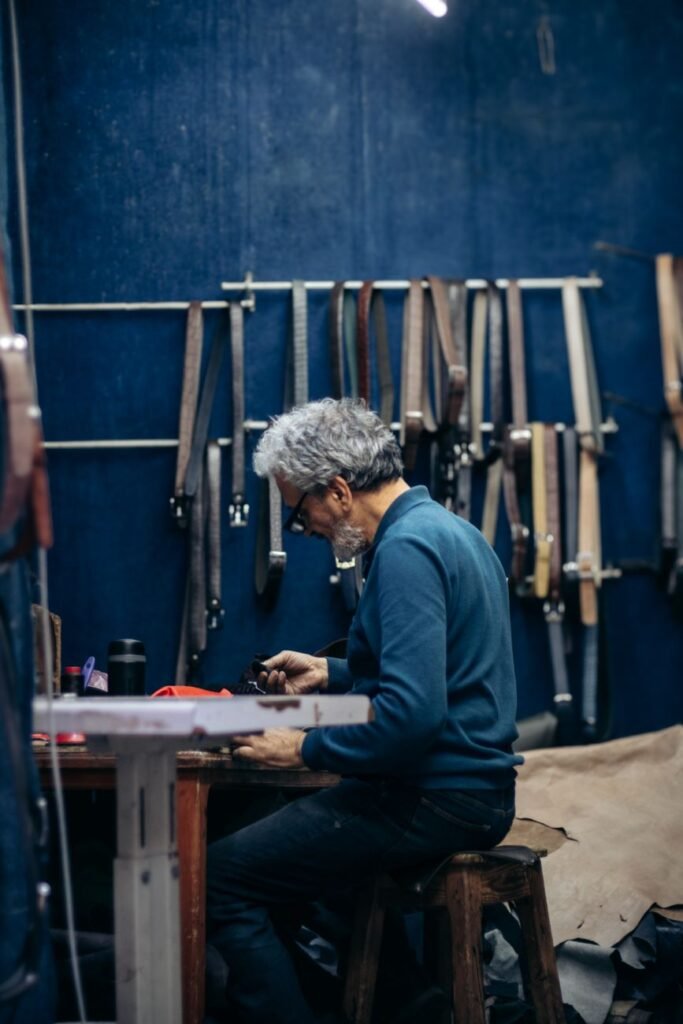
After tanning, a thick hide is split into layers. The top layer keeps the natural grain and is sold as full-grain leather, or sanded lightly and sold as top-grain. The lower layers, called splits, have no natural grain. These splits become genuine leather. Because the surface is loose and fibrous, makers press a grain pattern into it or coat it for a smooth look, then dye it and cut it into panels for bags, wallets, and shoes.
None of this makes genuine leather fake. But the splitting and heavy finishing mean it is not as strong or as long lasting as the top layer. It is a way of using more of each hide and keeping prices down, which is why genuine leather is so common in budget goods.
Genuine Leather vs Full-Grain and Top-Grain Leather
Compare it with the grades above it. Our guide to what full-grain leather is explains the top grade in detail.
| Feature | Full-grain leather | Top-grain leather | Genuine leather |
|---|---|---|---|
| Layer of the hide | Top layer, untouched grain | Top layer, lightly sanded | Lower layers of the hide |
| Surface | Natural grain, small marks | Even grain, lightly finished | Pressed or coated grain |
| Strength | Strongest, very durable | Strong, slightly thinner | Weaker, wears faster |
| How it ages | Develops a rich patina | Ages well, even look | Little patina, coating can crack |
| Feel | Firm, smooths with use | Soft and even | Can feel plasticky |
| Typical price | Highest | Mid to high | Lower |
The trade off is clear. Full-grain costs more because it is stronger and gets better with age. Top-grain is a good middle ground. Genuine leather costs less because it is made from the part of the hide that would otherwise go to waste. That makes it a budget choice, and it should be priced like one.
Genuine Leather vs Real Leather: Is There a Difference?
The answer is simple: genuine leather is real leather, but not all real leather is genuine leather. “Real leather” covers every grade, from full grain down to bonded leather, while “genuine leather” is one specific grade.
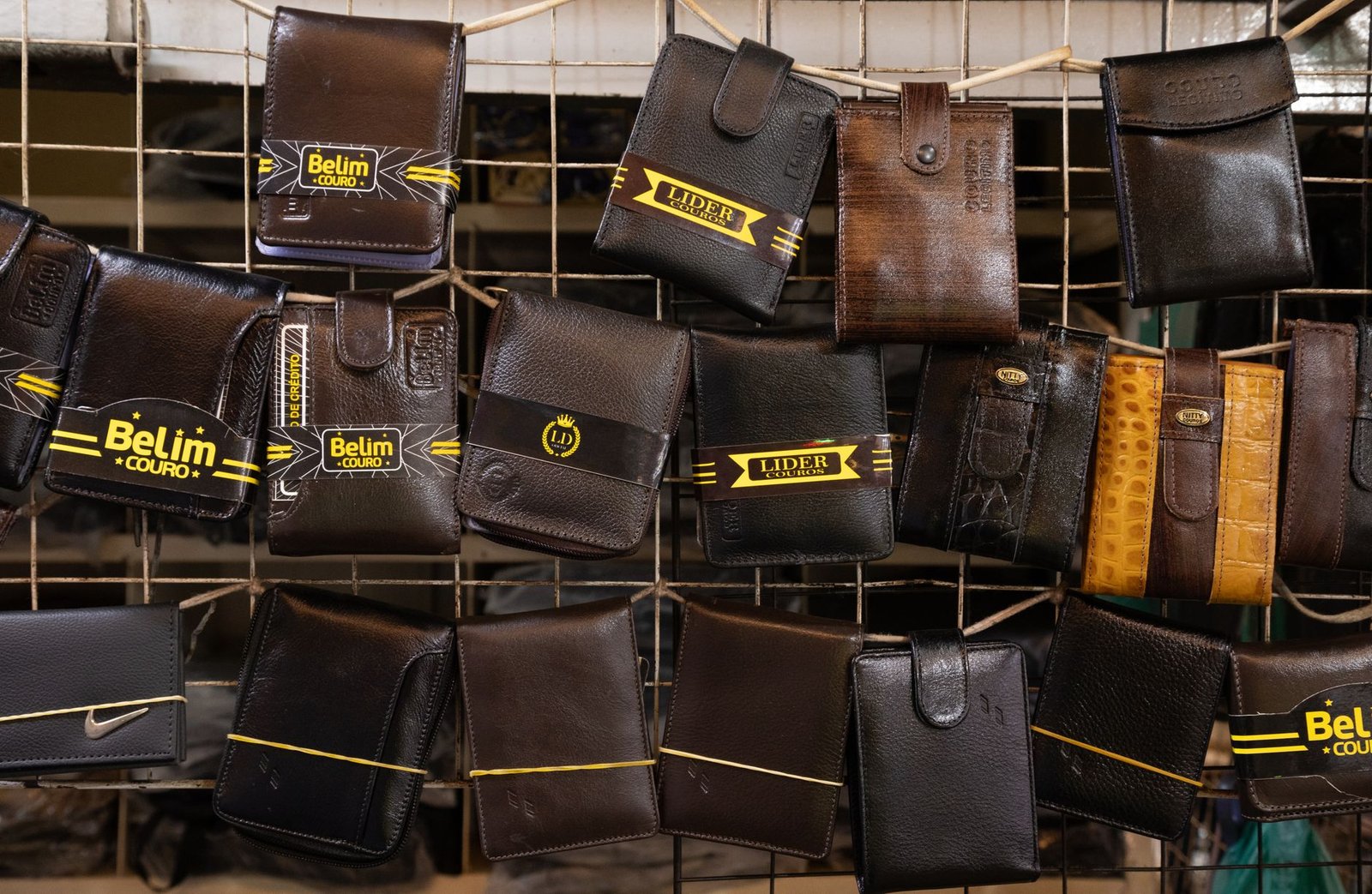
The confusion comes from shops. A seller who says “real leather” might mean any grade, while “genuine leather” names the grade, even if the buyer hears it as a promise of quality. Bonded leather sits below genuine leather: leather scraps glued together, technically leather, but the weakest form, and it peels quickly. If you want to know what you are buying, ask for the grade, not just whether it is real.
Labelling rules also vary by country. In some places, a product can be labelled “genuine leather” as long as it contains real leather, even if only part of it is leather. The label alone is not a guarantee, so buy from a maker who is open about the grade they use.
How to Tell If Leather Is Genuine
You do not need special tools. Look, touch, and smell.
First, look at the surface. Genuine leather usually has a very even, regular grain, because it was pressed into it. Full-grain leather is more irregular, with small natural marks and pores. Fake leather, which is plastic, often has a grain that repeats across the surface, a sign it was printed rather than grown.
Second, touch it. Genuine leather feels thinner than full grain and a little stiff from the coating. Full-grain leather feels firm and warm, and it softens with use. Fake leather feels cold and very smooth, and it does not warm up in your hand.
Third, smell it. Real leather has a warm, earthy smell from tanning, while fake leather smells of plastic or chemicals. Fourth, bend it: real leather wrinkles naturally, while fake leather often stays smooth with a sharp, unnatural crease. Finally, look at the edges. Genuine leather looks fibrous and layered, while fake leather looks like plastic.

What Genuine Leather Is Good For
Genuine leather is not a bad material, just a material with limits. It suits items you do not expect to keep for a decade, such as a fashion bag for a season or a budget wallet. It also suits items where a uniform look matters more than ageing.
It is widely used in furniture too, on the sides and back of sofas and chairs, where the leather is under less stress than the seat. Many sofas use genuine leather on the parts you touch less, and top grain on the seat and arms.
It is a poor choice for an item you want to last for many years, such as a daily wallet, a work bag, a good jacket, or boots you wear every week. For those, the extra cost of full-grain or top-grain leather pays for itself in extra years of use.
How Long Does Genuine Leather Last?
How long it lasts depends on the item, how often it is used, and how it is cared for. As a rough guide, a genuine leather wallet used every day will usually last two to four years, and a bag used regularly may last three to five years.
By comparison, a well made full-grain wallet can last five to ten years or more, and a full-grain bag or jacket can last decades. Full-grain leather looks better after years of use. Genuine leather usually looks worse, with a worn coating and cracks.
How to Care for Genuine Leather
Genuine leather needs the same basic care as other leather, with one caution: the coating means it does not absorb conditioner the way full grain does, so go easy. Wipe it with a soft dry cloth, and if it gets dirty, use a cloth that is barely damp, then let it dry naturally. Never soak it or dry it with heat, and never use household cleaners, bleach, or baby wipes.
Condition it lightly, once or twice a year, and wipe off any excess. Test it on a hidden spot first. Keep the item out of direct sunlight, which can dry the coating and crack it. The same care rules in our guide on how to clean a leather jacket apply here too.
Is Genuine Leather Worth Buying?
That depends on what you want the item for and what you are paying. If the price is fair, the item is well made, and you do not expect it to last for a decade, genuine leather can be good value. It is real leather, it looks good when new, and it costs far less than full grain.
If you are buying something to keep for many years or use every day, genuine leather is probably not the best use of your money. Save a little longer and buy top-grain or full-grain leather instead. The most expensive item is the one you have to replace, so think about cost per year of use.
The key point is simple: genuine leather is real leather, but a lower grade from the lower layers of the hide. It is fine for budget use, and a poor choice for a lifetime item.
Frequently Asked Questions
What is genuine leather?
Genuine leather is real leather from the lower layers of an animal hide, after the top grain layer has been split off. It is thinner and less durable than full-grain or top-grain leather.
Is genuine leather real leather?
Yes. Genuine leather is made from real animal hide, usually cowhide. It is not plastic or fake leather. The confusion comes from the name: it is a specific lower grade, not the highest quality of real leather.
Is genuine leather good quality?
It is a lower to mid grade. It is fine for budget items and short term use, but it is not as strong or long lasting as full-grain or top-grain leather, and it does not develop the same patina.
What is the difference between genuine leather and full-grain leather?
Full-grain leather is the top layer of the hide with its natural grain untouched, the strongest grade, which develops a rich patina. Genuine leather is made from the lower layers, with an embossed or coated surface, and it is thinner, weaker, and wears out faster.
How can I tell if leather is genuine?
Look for a very even, regular grain, which suggests it was pressed in. Feel the leather: it is often thinner and a little stiff from the coating. Smell it too: real leather smells warm and earthy, while fake leather smells of chemicals or plastic.
Does genuine leather peel?
It can do, especially as it gets older. The coating can crack and peel, and the edges can fray, more so with daily use or sunlight. Full-grain leather does not peel this way because it has no coating to lose.
Does genuine leather develop a patina?
Not really. The coated surface stays much the same colour, and instead of gaining character, it tends to show wear, cracks, and scuffs.
Is genuine leather better than bonded leather?
Yes. Genuine leather is a solid layer of hide, while bonded leather is leather scraps glued together with plastic. It is the weakest form and it peels and cracks quickly.
How long does genuine leather last?
A genuine leather wallet used daily usually lasts two to four years, and a bag three to five years. A full-grain equivalent can last five to ten years or more.
Should I buy genuine leather or save for full-grain leather?
For a budget item for short term or light use, genuine leather can be good value. If you want an item to last for many years and age well, save for top-grain or full-grain leather.
#genuineLeather #leatherGrades #realLeather #fullGrainLeather #leatherGuide #leatherQuality