
How to Remove Oil Stains from Leather Without Ruining It
A drop of cooking oil on your favourite leather jacket, a grease mark on a handbag. It happens in seconds, and the dark patch it leaves behind looks permanent, but it usually is not. If you know how to remove oil stains from leather the right way, most fresh stains come out completely, and even older ones can be faded until nobody else would notice them.
The secret is patience, not force. Oil soaks into leather because leather is skin, and skin is porous. The fix is to draw the oil back out with something that absorbs it, rather than scrubbing it deeper in. This guide walks you through exactly that, step by step, for smooth leather, suede and nubuck, and for fresh stains as well as ones that have been sitting there for weeks.
Why Oil Stains on Leather Need a Different Approach
Water stains and dirt sit on the surface of leather, so wiping usually works. Oil is different. It sinks into the pores and bonds with the fibres inside the hide. That is why the usual cleaning instinct, grab a wet cloth and scrub, makes oil stains worse. Scrubbing pushes the oil further into the leather and spreads it across a wider area, and water does nothing to dissolve grease.
Not all leather behaves the same way either. Finished or pigmented leather has a protective coating on top that tolerates a little diluted dish soap. Aniline leather, full grain leather and suede have no coating at all, so anything you put on them touches the colour directly. That is why the dry powder method is the safest starting point, and why you should always test any wet method on a hidden spot first, before you touch the visible stain.
What to Do in the First Five Minutes
Speed matters more than technique. The longer oil sits on leather, the deeper it sinks, and a stain that would have lifted in one night can become a two or three night job if you leave it until tomorrow.
First, blot, do not wipe. Take a clean, dry microfibre cloth or a plain white cotton cloth and press it straight down onto the stain. Lift it, move to a clean part of the cloth, and press again. Keep blotting until the cloth stops picking up oil. Second, do not add water. It will not lift oil, and on uncoated leather it can leave its own mark once it dries. Third, get the powder on as soon as you have blotted. The sooner the absorbent powder is sitting on the stain, the less oil sinks in.
How to Remove Oil Stains from Leather with Cornstarch
This is the method leather care experts recommend first. It works by absorption rather than by chemistry, which is why it is safe on almost every type of leather. Cornstarch pulls the oil out of the pores slowly, and it contains nothing that can strip colour or dry out the hide. Leather specialists at Lati Leathers confirm the same approach in their guide to getting oil stains out of leather.
Start by blotting the stain as described above. Then sprinkle cornstarch over the mark in a thick layer, thick enough that you cannot see the leather through it. Do not just dust it lightly. Bury the stain. The powder needs to be in full contact with the oil to draw it out.
Leave the powder in place overnight, at least eight to twelve hours. The powder works slowly, and cutting the time short is the most common reason this method seems to fail.
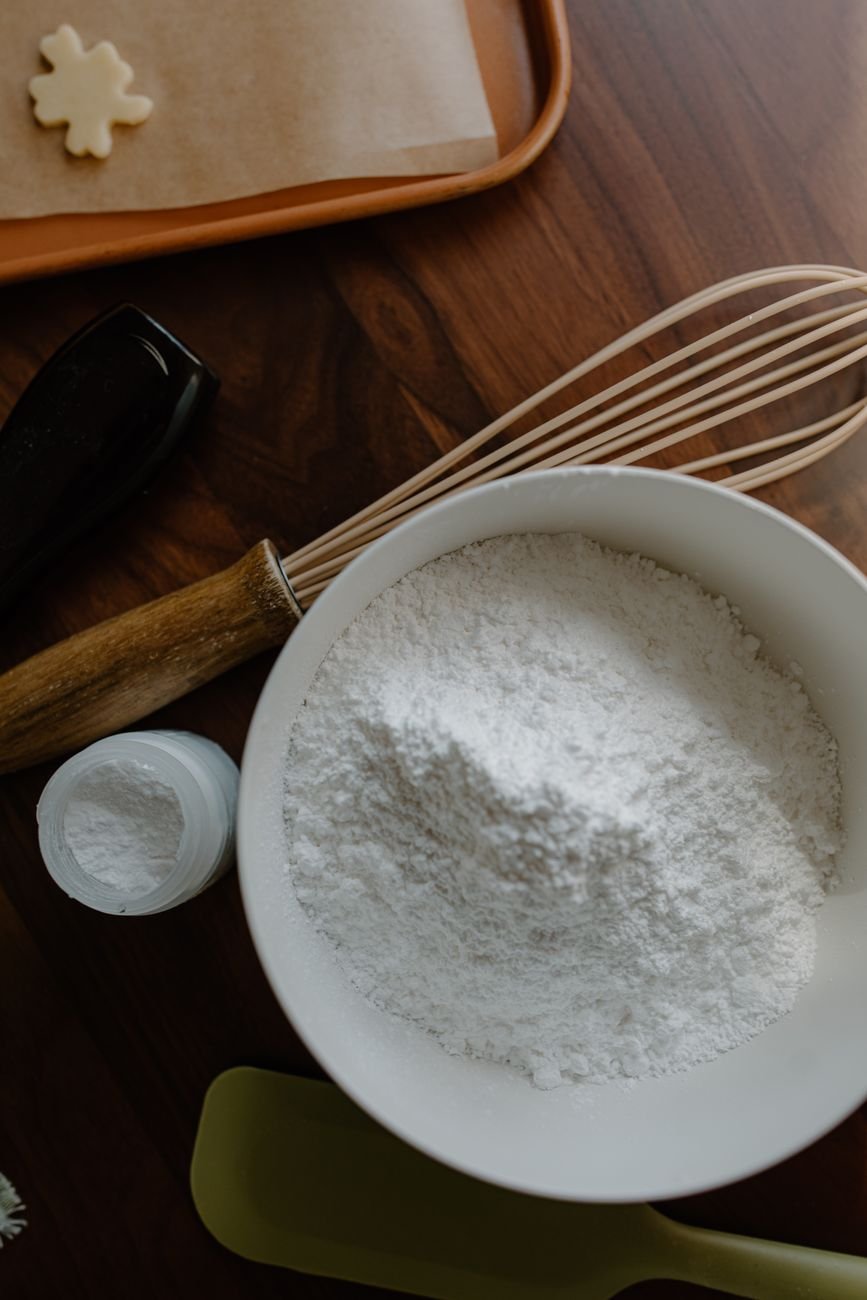
The next day, brush the powder off gently with a soft brush and check the stain in daylight. If a shadow remains, repeat the whole process. Two or three rounds is completely normal. Once the stain is gone, apply a small amount of leather conditioner to the area.
How to Remove Oil Stains from Leather with Talcum Powder or Baking Soda
Talcum powder works in exactly the same way as cornstarch, so use whichever one you already have in the house. Sprinkle a generous amount over the stain, leave it overnight, and brush it off with a soft brush in the morning.
Baking soda is also an effective absorber, but use it dry, as a powder, exactly like cornstarch. Do not mix baking soda into a paste and rub it across the leather. Baking soda is alkaline and mildly abrasive, and rubbing a paste over the surface can damage the finish and leave a visibly lighter, roughened patch. Dry powder left to absorb is safe. A rubbed in paste is not.
Cornstarch is the first choice for most people, because it is the most absorbent for cooking oils and body oils. Talcum powder is a close second, and baking soda works well as a backup.
Using Dish Soap on Coated Leather
If the powder method has faded the stain but a faint shadow remains on finished or pigmented leather, a very diluted dish soap solution is the next step. This method is for coated leather only. Do not use it on aniline leather, full grain leather with no finish, suede or nubuck, because on uncoated leather the soap touches the colour directly and can leave a light patch. The leather stain guide from Eiken gives the same advice: powder first, then soap on coated leather only.
Mix one single drop of mild dish soap into a cup of distilled water. Dip a clean microfibre cloth into the solution, then wring it out until it is barely damp. Blot the stain gently.
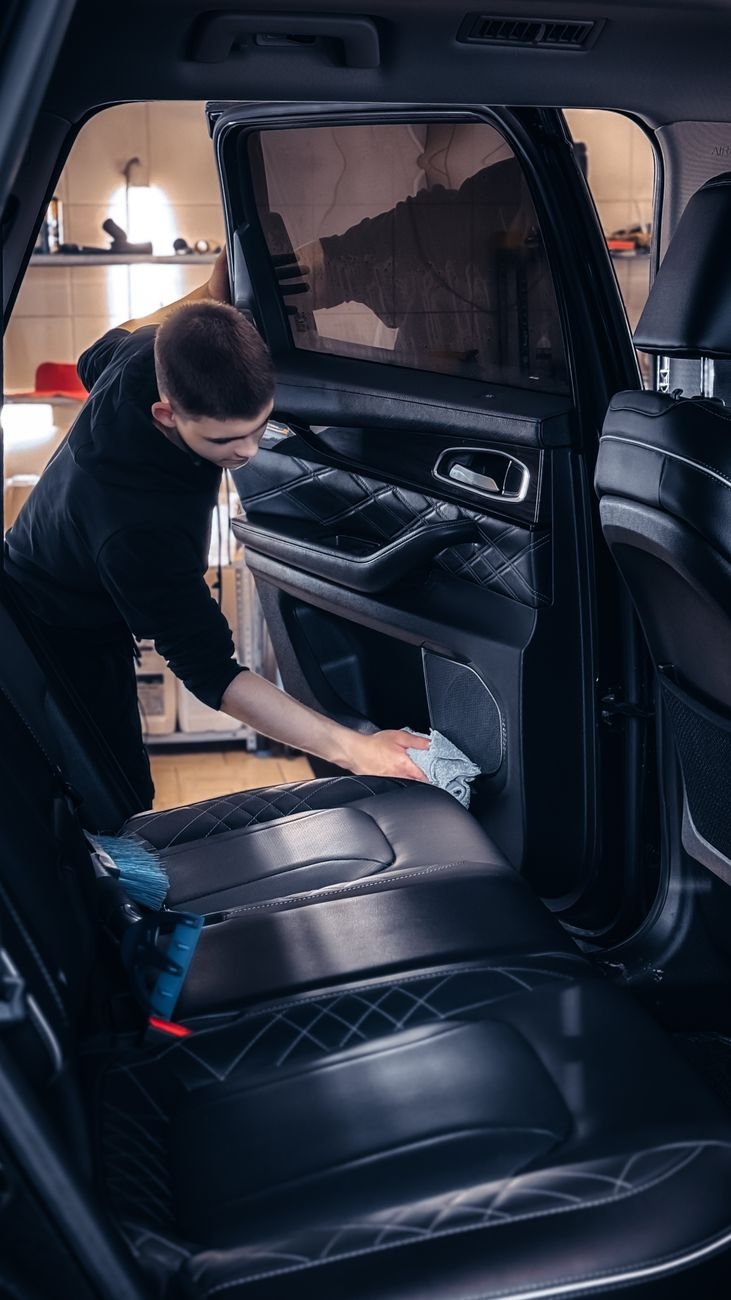
After a few blots, wipe the area again with a second cloth dampened with plain distilled water to lift away soap residue. Then let the leather air dry at room temperature, away from radiators, hairdryers and direct sunlight.
Once the area is fully dry, condition it. The soap will have removed some of the leather’s natural oils along with the stain, and conditioner replaces them.
How to Remove Oil Stains from Leather That Have Set In
A stain that has been sitting for days or weeks is harder, but not hopeless. By this point the oil has oxidised and bonded with the fibres, so a single night of cornstarch will not be enough. Expect three or four powder rounds, and a very old stain on light coloured aniline leather may only fade, not disappear entirely.
Start with two full rounds of the cornstarch method, twenty four hours each. If the stain is still clearly visible after that, move on to a dedicated leather degreaser. These are specialist pastes, sold by brands such as Leather Master. You apply the paste, let it dry into a white crust, and then brush or vacuum it off.
For petroleum based stains, such as motor oil or machine grease, a small amount of odourless mineral spirits dabbed onto a cloth can lift the stain, but this is a solvent, and it dehydrates leather fast. Use it only on coated leather, only in a well ventilated room, and condition the area immediately afterwards. Anuent’s guide to leather stains agrees: old stains are far harder to remove with powder alone.
How to Remove Oil Stains from Leather Suede and Nubuck
Suede and nubuck are the hardest leathers to clean, because their soft nap soaks up oil instantly and water makes the problem worse. The rules here are stricter. No water, no dish soap, no liquid cleaners at all in the first stage. Only dry methods.
Start with the same powder treatment, but leave it on longer. For suede, forty eight hours is a reasonable first round, because the nap holds oil deep in the fibres. Pile the cornstarch on thickly. Brush it off with a suede brush, and check the stain in daylight.
If a mark remains, try a suede eraser, the small rubber block sold in suede care kits. Rub it gently in one direction over the stain and the residue will ball up and lift away. Follow that with another round of powder if needed.

For nubuck, the same dry approach applies. Our guide on what is suede leather explains the same dry cleaning principles, which apply to nubuck as well.
What NOT to Do When You Remove Oil Stains from Leather
Most ruined leather is not ruined by the stain. It is ruined by the rescue attempt. Do not use acetone, nail polish remover, bleach, ammonia or alcohol based cleaners. These strip colour and dissolve the finish.
Do not scrub. Rubbing grinds oil deeper into the pores and wears the finish off the surface. Every method in this guide uses blotting and brushing, never scrubbing, and that is deliberate.
Do not apply heat. Heat thins oil, but it also shrinks leather fibres, and a few seconds too close with a hairdryer can leave a stiff, shrunken patch that no conditioner will fix. Air drying is slower and always safer.
Do not soak the leather. Dunking a bag or a jacket in water, or pouring cleaner directly onto the stain, saturates the hide. Wet leather can warp, stiffen and grow mould as it dries. Every liquid step in this guide uses a barely damp cloth.
Aftercare: Conditioning and Protecting the Leather
Removing the stain is only half the job. The cleaning process strips oils from the leather, and if you skip conditioning, the cleaned patch will look lighter and feel drier than the rest of the piece. Apply a leather conditioner to the whole item, not just the stained area.
For a full routine, our guide on how to condition leather walks through the steps, and our guide on how to clean a leather jacket covers the wider care routine.
Once the item is clean and conditioned, consider a leather protector spray. A light coat every few months makes future spills bead on the surface instead of soaking straight in.
How to Prevent Oil Stains on Leather
The best stain is the one that never happens. Keep leather bags away from the kitchen counter when you are cooking, and do not rest a leather jacket on a restaurant table where olive oil or salad dressing can splash. If you handle oily food, wash and dry your hands before you pick up a leather item. For items you use every day, a protector spray is the single most useful purchase. Store leather in a cool, dry place out of direct sunlight, because heat and sun dry the surface out and make it absorb oil faster when a spill does happen.
When to Take It to a Professional
Take the item to a professional leather cleaner if the stain covers a large area, if the item is expensive or sentimental, if it is made from exotic leather, or if you have already tried three rounds of powder plus a degreaser and the stain has not moved. A professional has access to stronger solvents, vacuum extraction equipment and recolouring dyes that are not available to home users, and the cost of the cleaning is usually far less than the cost of replacing the item. If you have tried everything in this guide to remove oil stains from leather and the mark has not moved, a professional is the right call. As a rough guide, a small item such as a wallet usually costs 30 to 50 dollars, a handbag 60 to 120 dollars, and a jacket 80 to 150 dollars.
FAQs
Can you remove oil stains from leather at home?
Yes, most fresh oil stains come out at home with the cornstarch method. Blot the excess, cover the stain thickly with cornstarch, leave it overnight, brush it off, and repeat if needed. Set-in stains may need several rounds or a professional cleaner.
How long should I leave cornstarch on an oil stain?
At least eight to twelve hours, overnight is ideal. For older or larger stains, leave it for a full twenty four hours. The powder draws oil out slowly, so cutting the time short is the most common reason the method seems to fail.
Does talcum powder remove oil stains from leather?
Yes, talcum powder works the same way as cornstarch. Sprinkle it generously over the stain, leave it overnight, and brush it off with a soft brush. Use whichever powder you already have at home.
Can I use baking soda to remove oil from leather?
Yes, but only as a dry powder. Sprinkle it on, leave it overnight and brush it off. Never mix baking soda into a paste and rub it on leather, because it is alkaline and abrasive and can leave a lighter, roughened patch.
Can dish soap remove oil stains from leather?
Diluted dish soap can help on finished or pigmented leather, where the coating protects the colour. Mix one drop into a cup of distilled water, blot with a barely damp cloth, then wipe with plain water and condition. Never use dish soap on aniline leather, suede or nubuck.
How do you get oil out of suede?
Use dry methods only. Cover the stain thickly with cornstarch, leave it for up to forty eight hours, brush it off with a suede brush, and repeat if needed. A suede eraser can help with any remaining mark. Never use water or dish soap on suede.
How do you get oil out of nubuck leather?
Treat nubuck the same way as suede, with dry powder and a suede eraser only. Nubuck is more delicate than suede, so use a very soft brush and do not use any liquid cleaner on it.
Will an oil stain on leather go away on its own?
Sometimes a small oil stain on dark, uncoated leather fades over weeks as the oil spreads and oxidises, but this is unreliable and it does not work on light coloured leather. It is always better to treat the stain with powder as soon as you notice it.
What should I never put on an oil stain on leather?
Never use acetone, nail polish remover, bleach, ammonia, alcohol based cleaners or baby wipes. Never scrub the stain, never apply heat from a hairdryer, and never soak the leather in water. All of these can cause permanent damage.
Can a professional remove old oil stains from leather?
Often yes. Professional cleaners use stronger solvents and vacuum extraction, and they can recolour the leather if the stain has left a shadow. Take the item in if the stain is large, the item is expensive, or home methods have not worked after three or four attempts.
Should I condition leather after removing an oil stain?
Yes, always. Cleaning strips natural oils from the leather, and the cleaned patch will look lighter and feel dry if you skip conditioning. Apply conditioner to the whole item, not just the stained area, so the colour stays even.
How do I stop oil stains from happening again?
Use a leather protector spray every few months, keep leather away from cooking areas and oily hands, and store it in a cool dry place out of direct sunlight. Protector spray makes future spills bead on the surface instead of soaking in.
#LeatherCare #LeatherCleaning #OilStainRemoval #LeatherDIY #LeatherJacketCare #LeatherTips