
What Is Nappa Leather? The Short Answer
Nappa leather is a soft, smooth, full-grain leather, usually made from the hides of lambs, kids (young goats), calves, or sheep, and finished with transparent aniline dyes so the natural grain stays visible. If you have ever picked up a luxury handbag, sat in a high-end car, or tried on a pair of fine leather gloves and thought, “this feels like butter,” you were almost certainly touching nappa leather. The word describes a feel and a finish, not a single animal or a grade on a chart. That is the first thing to understand, because it explains both why nappa leather feels so good and why it needs more care than tougher leathers.
The name comes from Napa Valley in California. In 1875, a German-born tanner named Emanuel Manasse, working at the Sawyer Tanning Company in Napa, developed a new way of tanning the small, supple skins of lambs and kids so they stayed soft instead of stiffening up. The leather was named after the place, and the spelling “nappa” with two p’s became the common form, although you will still see “Napa leather” with one p.
What Makes Nappa Leather Different
Most leather is judged by the layer of the hide it comes from. Full-grain leather keeps the entire outer surface intact, with all its strong, tightly packed fibres. Top-grain leather has the very top sanded lightly. Genuine leather comes from the lower layers. Nappa leather cuts across those categories. It is usually full-grain or top-grain, but what makes it nappa is not the layer. It is the combination of a fine, thin hide, a gentle tanning process, and a light finish that leaves the grain open and the surface soft.
Three choices in the tannery create that famous feel. First, the hide. Tanneries pick the skins of young or lightweight animals, lamb, kid, calf, and sheep, because their fibres are finer and their grain is smaller than the thick hides of older cattle. A thin skin is soft to begin with, and it drapes instead of standing stiff. Second, the tanning. Nappa leather is most often chrome-tanned, which means the hides are treated with chromium salts in rotating drums. Chrome tanning takes a day or two, and it leaves the fibres loose and flexible. Some nappa is vegetable-tanned instead, using bark and plant extracts, which takes up to six weeks and gives a firmer hand and a patina that deepens over time. Third, the finish. Nappa is dyed with aniline dyes, which are transparent colours that soak into the fibres rather than sitting on top like paint. That keeps the pores, the tiny natural marks, and the grain pattern visible, and it keeps the surface soft.
How Nappa Leather Is Made, Step by Step
The process starts with the raw hide. Fresh skins are cleaned, the hair is removed, and excess tissue is scraped away in a step called fleshing. The hides are then pickled, which means they are soaked in a salt and acid solution that lowers the pH and prepares the fibres to absorb the tanning agents. This preparation is similar for most leathers. What sets nappa leather apart happens next.
In chrome tanning, the hides go into drums with chromium sulphate, which binds to the collagen fibres and turns the raw skin into stable leather. The process is fast, usually 24 to 48 hours, and it produces leather that is soft, supple, and resistant to heat and moisture. Roughly 90 percent of the leather made in the world today is chrome-tanned, and most nappa leather is made this way. Vegetable tanning is the older, slower alternative. Hides sit in pits of tannin-rich bark and plant extracts for four to six weeks. The leather that comes out is firmer, smells more strongly of leather, and darkens beautifully with age.
After tanning, the leather is dyed. For nappa leather this is usually aniline dyeing, where the colour soaks right through the fibres. Because the dye is transparent, the grain stays visible and the colour has a depth that changes slightly in different light. Some nappa is semi-aniline, which adds a very thin pigment coat on top of the aniline dye for a little extra stain resistance, while still keeping most of the soft feel. Finally the hides are dried, softened, and given a light finish.
Nappa Leather vs Other Leathers
Nappa leather is often confused with other leathers, and the confusion is understandable because the terms describe different things. Full-grain describes the layer of the hide. Nappa describes the feel and the finish. A piece of leather can be both full-grain and nappa at the same time, and most good nappa is. Suede and nubuck describe a brushed, velvety surface. The table below lays out the differences so you can tell them apart when you are shopping.
| Leather type | Feel | Surface | Scratch resistance | Water resistance | Care needed | Best uses |
|---|---|---|---|---|---|---|
| Nappa leather | Very soft, smooth, buttery | Smooth fine grain, visible pores | Low, marks easily | Low unless treated | High, condition often | Gloves, handbags, car seats, jackets |
| Full-grain leather | Firm to supple, natural | Natural grain, marks show | High, scratches blend in | Fair, better if finished | Moderate | Briefcases, boots, belts, jackets |
| Top-grain leather | Smooth, even, slightly firm | Lightly sanded, uniform | Medium | Fair to good | Moderate | Sofas, bags, shoes |
| Suede leather | Soft, velvety nap | Brushed flesh side | Low, stains easily | Poor | High, brush and spray | Jackets, shoes, bags |
| Nubuck leather | Soft, velvety, like suede | Brushed grain side | Low, marks show | Poor | High, brush and spray | Boots, jackets, bags |
| Genuine leather | Varies, often stiff | Corrected, coated | Low to medium | Fair | Low | Budget goods, linings |
The practical point is simple. If you want the toughest leather for a bag you will throw around, buy thick full-grain leather. If you want the softest leather for something that touches your skin or sits in a luxury car, buy nappa leather. And do not confuse softness with protection. Nappa leather is a feel and finish term, not a protection rating. It will scratch more easily than a thick full-grain hide, and it will stain more easily than a pigmented leather. That is the trade you make for the feel.
Is Nappa Leather Real Leather?
Yes, nappa leather is real leather. It is genuine animal hide, usually full-grain or top-grain, tanned and dyed with minimal correction. It is not bonded leather, and it is not plastic. The confusion comes from the fact that “nappa” is sometimes used loosely in marketing. Car makers, furniture sellers, and fashion brands all use the word, and not all of them mean the same thing. Some use it correctly for aniline-dyed full-grain leather. Others use it as a fancy word for any smooth leather, including corrected-grain leather with a heavy coating. That is why the label alone is not enough.
Here is how to tell real nappa leather from an imitation. First, touch it. Real nappa is warm, soft, and slightly stretchy, and it wrinkles finely when you press it, like skin. Fake leather feels cold, plasticky, and stiff, and it bounces back without wrinkling. Second, smell it. Real leather has a rich, natural smell. Fake leather smells chemical or like nothing at all. Third, look at the grain. Real nappa has a fine, slightly uneven grain with visible pores and the odd natural mark. Fake leather has a repeating, printed grain pattern that looks the same everywhere.
Where Nappa Leather Is Used
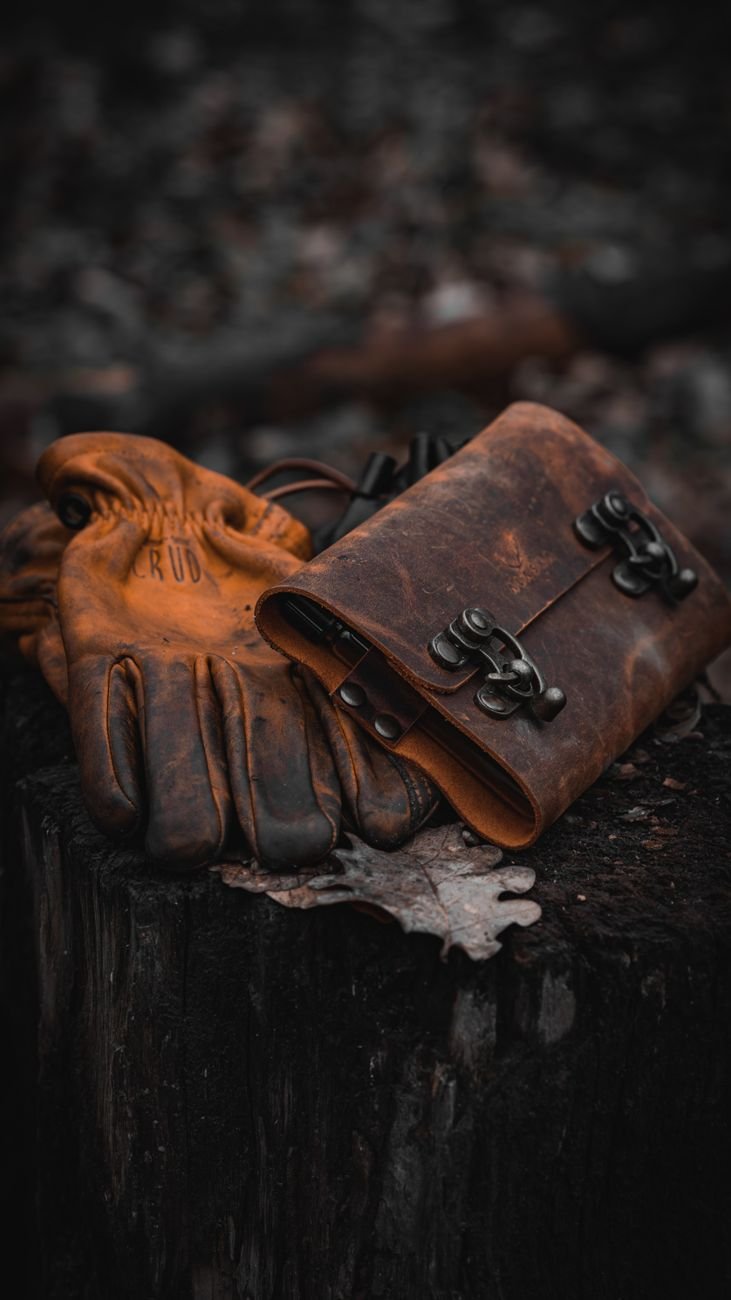
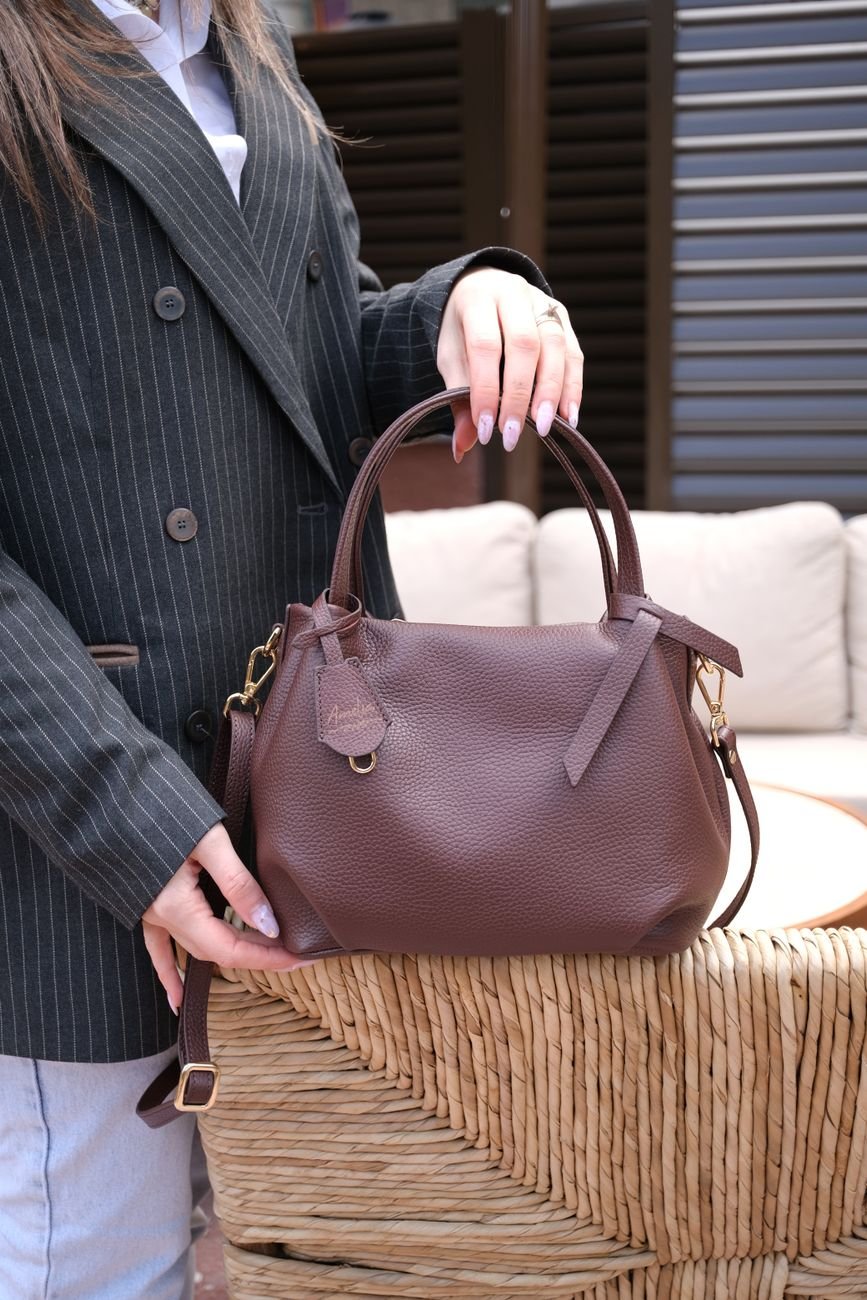
Nappa leather shows up wherever softness matters more than toughness. The classic use is gloves. Fine leather gloves have been made from nappa, traditionally lambskin nappa, since the 19th century, because the leather is thin enough to let you feel what you are holding and soft enough to move with your hand. Handbags are the second classic use. A nappa handbag drapes softly, feels wonderful to carry, and looks expensive, which is why luxury brands use it for their softest styles. Jackets are another. A nappa leather jacket is lighter and more comfortable than a thick cowhide biker jacket, and it suits smart, tailored styles rather than rugged ones.
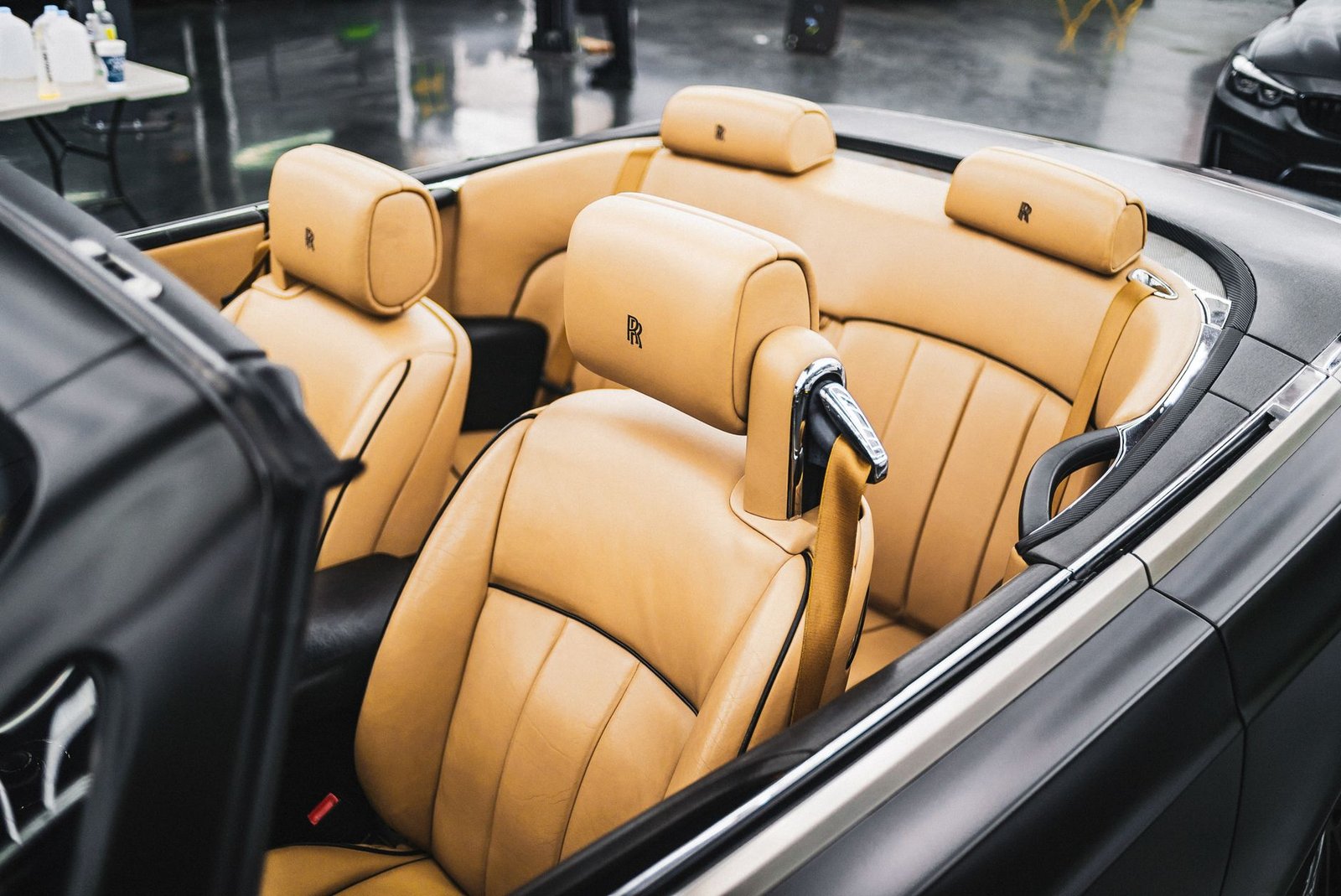
Car interiors are where most people meet nappa leather today. Luxury car makers offer nappa leather seats as a premium option, and the difference from standard leather is obvious the moment you sit down. The seats feel softer, the grain is finer, and the leather breathes, so you do not stick to it on a hot day. Furniture makers use nappa for high-end sofas and chairs for the same reason.
Is Nappa Leather Durable?
Nappa leather is durable in one sense and delicate in another, and buyers should understand both. The fibres of a full-grain nappa hide are strong, and the leather will not tear or wear through easily. A nappa handbag or jacket that is treated well can last many years. What nappa leather does not resist well is surface damage. It scratches, scuffs, and stains more easily than thicker or more heavily coated leathers, because the surface is left open and unprotected. A key dragged across a nappa handbag will leave a mark. A splash of water can leave a spot on aniline nappa. Sunlight will fade it over time.
How to Care for Nappa Leather
Nappa leather needs more care than other leathers, but the routine is short and it makes a real difference. Start by dusting the item with a soft, dry cloth once a week. Dust and grit act like sandpaper on a soft surface, so keeping it clean is half the job. For light dirt, wipe with a slightly damp cloth and let the leather dry naturally, away from heat and direct sun. Never use a hair dryer on nappa leather, and never soak it.
Condition nappa leather every two to three months with a light conditioner made for aniline or nappa leather. Use a small amount on a soft cloth, rub it in gently, and buff off the excess. Heavy conditioners and oils can darken aniline leather or leave it sticky, so choose a product that says it is safe for aniline or nappa, and test it on a hidden spot first. For protection, a light spray made for aniline leather adds a little water and stain resistance without changing the feel. Apply it before the item’s first use, not after the first stain. Stains need a quick, gentle response. Blot a liquid spill at once with a clean, dry cloth. Do not rub, because rubbing pushes the liquid deeper into the open grain. A light scratch will often fade if you rub it gently with your thumb, because the warmth and oils from your skin move the surface fibres back into place.
How to Buy Nappa Leather (and Avoid Fakes)
If you are shopping for a nappa leather item, start with the seller. Buy from a brand or a shop that names the animal, the tanning, and the finish. “Full-grain lambskin nappa, aniline-dyed” is a real description. “Premium nappa leather” on its own tells you nothing, and a seller that will not answer a direct question about the leather is a seller to avoid. Check the price against the market. Real nappa is expensive because the hides are carefully selected, only skins free of deep scars and insect bites qualify, and much of each hide is wasted. A nappa handbag at a fast-fashion price is not nappa.
The Verdict: Is Nappa Leather Worth It?
Nappa leather is worth it if you value how something feels as much as how long it lasts. It is the softest, most luxurious leather you can buy, and there is no substitute for the way it drapes, smells, and ages. A nappa handbag, a pair of nappa gloves, or a nappa car interior is a pleasure to use every day in a way that a tougher, cheaper leather simply is not. The price is higher, and the care is real, but for the right item the trade is a good one.
It is not worth it if you need a leather that can take punishment. A work bag that gets thrown on the floor, a jacket you wear on a motorbike, or a sofa in a house with small children and dogs will all be happier in a thicker full-grain or a pigmented leather. Buy nappa leather for the pieces you will love and look after, and buy tougher leather for the pieces you will use hard. That is the honest answer, and it is the one that will leave you happy with your purchase in five years rather than sorry in five months.
Frequently Asked Questions
What is nappa leather?
Nappa leather is a soft, smooth, full-grain leather, usually from lamb, kid, calf, or sheep, finished with transparent aniline dyes so the natural grain stays visible. The name comes from Napa Valley in California, where the tanning method was developed in 1875.
Is nappa leather real leather?
Yes. Nappa leather is real animal hide, usually full-grain or top-grain, tanned and dyed with minimal correction. It is not bonded leather or plastic.
What animal is nappa leather made from?
Nappa leather is most often made from lambskin, kid goatskin, calfskin, or sheepskin. These young, lightweight hides have fine fibres and a small grain, which is what makes the leather so soft.
Is nappa leather better than full-grain leather?
Neither is better in general, because the terms describe different things. Full-grain describes the layer of the hide, and nappa describes the feel and finish. Most good nappa is full-grain. Nappa is softer and more luxurious, while thick full-grain leather is tougher and more scratch resistant.
What is the difference between nappa leather and suede?
Nappa leather has a smooth grain surface, while suede has a brushed, velvety nap made from the flesh side of the hide. Nappa feels smooth and buttery. Suede feels fuzzy and soft.
Is nappa leather durable?
The fibres are strong and nappa leather can last many years with care, but the surface scratches and stains more easily than thicker or heavily coated leathers.
Does nappa leather scratch easily?
Yes, nappa leather scratches more easily than most other leathers because its surface is left open and lightly finished. Light scratches often fade when rubbed gently with a thumb or treated with a little conditioner.
Can nappa leather get wet?
A little rain will not ruin nappa leather, but water can leave marks on aniline nappa, and the leather should be wiped dry and left to dry naturally away from heat. A protective spray made for aniline leather helps.
How do you clean nappa leather?
Dust it with a soft dry cloth, wipe light dirt with a slightly damp cloth, and use a cleaner made for aniline or nappa leather for stains. Blot spills at once and never rub.
How often should you condition nappa leather?
Condition nappa leather every two to three months with a light conditioner made for aniline or nappa leather.
Is nappa leather expensive?
Yes, nappa leather is one of the more expensive leathers. The hides are carefully selected, only skins free of deep scars qualify, and the tanning and finishing are gentle and slow.
What is nappa leather used for?
Nappa leather is used for gloves, handbags, jackets, wallets, watch straps, furniture, and luxury car interiors.
#NappaLeather #FullGrainLeather #LeatherGuide #AnilineLeather #Lambskin #LeatherCare