
A pen leaks in your bag, a child scribbles on the sofa, or a ballpoint mark appears on your favourite jacket. The short answer to how to remove ink from leather is this: act fast, blot instead of rubbing, start with the gentlest method that fits the stain, and test any cleaner on a hidden spot first. Most fresh ballpoint marks on finished leather come off with mild soap and water or a little rubbing alcohol on a cotton swab. Set-in stains and permanent marker need more patience, and suede or unfinished aniline leather is a different job altogether.
What Kind of Ink Is It?
Before you reach for any cleaner, look closely at the mark. Different inks behave differently, and the method that lifts one can fail completely on another.
Ballpoint pen ink is the most common stain and the most forgiving: oil based, it sits mostly on the surface of finished leather and usually responds well to rubbing alcohol. Gel pen ink is water based and thicker, so blotting matters even more, and it often lifts with soap and water if you catch it early. Fountain pen ink is water based too, but it soaks in fast, especially on light coloured leather. Permanent marker is the hardest of the lot. It uses alcohol soluble resins that bond with the finish, so you will need a solvent method and several gentle passes. If you are not sure what made the mark, treat it as ballpoint ink first.

What Kind of Leather Are You Dealing With?
Leather type decides what you can safely use. Using alcohol on the wrong leather can strip colour in seconds, so take a minute to work this out.
Finished or protected leather has a clear coating on top. Most bags, wallets, jackets and car seats are made from it: water beads up on the surface instead of soaking in. This is the leather the methods in this guide are written for, and it gives you the best chance of a full removal.
Aniline leather has no protective coating. It feels soft, soaks up a drop of water quickly, and lets ink sink straight into the fibres, so home methods rarely remove it fully. Try only mild soap and water, very gently, and be ready to call a professional.
Suede and nubuck are a separate case. They are soft and absorbent, and liquids make the stain spread, so do not use alcohol, soap and water, or any wet method on them. Let the ink dry, then try a suede eraser or brush, and take it to a specialist if that fails.
Faux leather is plastic rather than hide, so most ink wipes off with soap and water or a little alcohol. Still test first, because cheap coatings can cloud or peel. Our guide to what genuine leather is explains how to tell real leather from other materials.
Before You Start: The Rules That Save Your Leather
Every successful ink removal follows the same few rules. Skip them and even the right cleaner can leave a worse mark than the ink.
First, act fast: fresh ink lifts far more easily than dried ink, and a stain older than 24 hours is a much harder job. Second, blot, never rub. Press a clean dry cloth straight down and lift it; rubbing pushes ink deeper and spreads it. Third, test everything on a hidden spot, such as the underside of a strap or an inside seam. Dab your cleaner there, wait a minute, and check for colour lifting or the finish going dull. Fourth, work from the outside edge toward the centre, so you do not push ink into clean leather, and switch to a fresh swab or cloth as soon as ink transfers onto it. Finally, never soak the leather: every method below uses a damp swab or a barely damp cloth, never a wet one.
Gather your supplies first: clean white cloths, cotton swabs, mild dish soap, isopropyl alcohol (70 percent is ideal), a leather cleaner, saddle soap if you have it, and a leather conditioner for aftercare.
Ink Removal Methods Compared
Start at the top and work down.
| Method | Best for | Risk level | What you need |
|---|---|---|---|
| Mild soap and water | Fresh, light marks | Very low | Mild dish soap, warm water, soft cloth |
| Dedicated leather cleaner | Any fresh stain | Very low | Leather cleaner made for ink or stains |
| Saddle soap | Finished leather, older marks | Low | Saddle soap, damp sponge |
| Rubbing alcohol | Set-in ballpoint ink | Medium | Isopropyl alcohol 70%, cotton swabs |
| Hand sanitiser | Ballpoint ink, no alcohol at hand | Medium | Plain alcohol based hand sanitiser |
| White vinegar solution | Light stains, gentle option | Low | White vinegar, water, soft cloth |
| Specialist ink remover | Stubborn or marker stains | Low | Leather ink remover product |
| Professional restoration | Aniline, suede, valuable items | None to you | A leather specialist |
Method 1: Mild Soap and Water
This is where every ink stain should start: it costs nothing, it is safe for almost all finished leather, and it works more often than people expect.
Mix one drop of mild dish soap into a cup of warm water. Dip a soft white cloth in, then wring it out until it is barely damp. Gently wipe the stain, working from the edge toward the centre. Rinse, wring out, and repeat. Dry the spot straight away with a clean towel, and let it air dry fully before you judge the result. If the mark is gone, condition the leather and you are done. If soap and water does not move the ink at all, the stain has set, and it is time to move to a stronger method. Do not keep scrubbing: it wears the finish and pushes the ink deeper.
Method 2: A Dedicated Leather Cleaner
A leather cleaner is pH balanced for the material, so it cleans without stripping natural oils the way household solvents can. It is the safest option for an expensive bag or jacket.
Apply a small amount to a soft cloth, not directly onto the leather. Rub gently in small circles over the stain, then wipe away the residue with a clean damp cloth. Repeat once or twice if the ink is fading. Most regular leather cleaners will not touch old ink on their own, so do not be surprised if this step only lightens the mark. That is still progress, and it leaves the leather clean and ready for the alcohol method. Follow the instructions on the product label, because formulas differ.
Method 3: Rubbing Alcohol for Set-In Ballpoint Ink
Rubbing alcohol is the workhorse method for ballpoint ink, and it is the one most leather professionals reach for first. Isopropyl alcohol dissolves the oil based dyes in ballpoint ink, and it evaporates fast, so it does not soak deep into the leather if you use it correctly.
Dampen a cotton swab with 70 percent isopropyl alcohol and squeeze it against the bottle rim so it is damp, not dripping. Dab gently, working from the edge toward the centre, and switch to a fresh swab as soon as ink transfers. Stop immediately if you see leather colour coming off on the swab: that means the finish is lifting.
When the ink has faded as far as it will go, wipe the area with a barely damp cloth to remove any alcohol residue, then let it air dry. Never use a hair dryer on hot, and never leave alcohol sitting wet on the leather. Condition the leather once it is fully dry, because alcohol strips some of the natural oils, and conditioner restores them.
One warning: keep alcohol away from aniline, suede and nubuck, and away from very light coloured leather unless your hidden spot test was completely clean.
Method 4: Saddle Soap
Saddle soap is a good middle option between a gentle cleaner and a solvent: it cleans and lightly conditions at the same time.
Dampen a soft sponge, pick up a little lather, and work it over the stain in small circles. Wipe away the residue, dry the area, and repeat two or three times if needed. Saddle soap works best on finished leather and stains a day or two old, and it often lifts a ballpoint mark completely on its own.
Method 5: Hand Sanitiser, Hairspray and Vinegar
Hand sanitiser works for the same reason alcohol works: it contains alcohol. The gel base can actually help, because it spreads evenly and stays where you put it instead of running. Use a plain, fragrance free sanitiser if you have one. Dab a small amount onto a cotton swab, work it over the stain gently, then wipe clean with a damp cloth and dry the area.
Hairspray used to work because old formulas were mostly alcohol, but modern hairsprays contain polymers that leave a sticky film. If it is all you have, wash the residue off thoroughly afterwards. Hand sanitiser is the better choice, and rubbing alcohol works better still.
A one to one mix of white vinegar and water is another gentle option for light marks: dampen a cloth, wring it out well, dab the stain, and wipe clean. The vinegar smell fades as the leather dries.
Method 6: Specialist Ink Removers and Acetone
When none of the methods above has worked, a specialist leather ink remover is the next step. These products break down ink pigments without attacking the leather coating. Follow the label exactly, test on a hidden spot, and work in short passes with fresh swabs.
Acetone, found in some nail polish removers, is a last resort. It dissolves ink fast, but it can also dissolve the leather finish and leave a pale, rough patch. If you try it, use a barely damp swab, touch only the ink, work for a few seconds at a time, and rinse with soapy water immediately. On a valuable item, skip acetone and go to a professional instead.
Ink on Different Leather Items
The method stays the same, but the item changes how careful you need to be. On a leather bag, check the lining first, because ink often bleeds through a thin lining, and work on a flat, supported surface so you do not stretch the leather. On a leather jacket, the same rules apply: jackets usually have a sturdy finish, so they tolerate the alcohol method well, but always test inside a pocket flap first. You can read more in our guide to how to clean a leather jacket. On a sofa, work in small sections and keep the area dry between passes. On perforated car seats, use the smallest amount of cleaner possible, because liquid can seep through the holes and stain the foam underneath. On a wallet, a single cotton swab is usually enough, but the leather is often thinner, so go gently.
Mistakes That Make Ink Stains Worse
Most ruined leather comes not from the ink but from the rescue attempt. Scrubbing spreads wet ink and wears away the finish, and soaking lets ink travel deep into the fibres, where no surface cleaner can reach it.
Bleach is never the answer. It strips colour and weakens leather, and the damage is permanent. Baby wipes and household all-purpose cleaners are also a bad idea: they contain chemicals that dry out leather and leave residue. The magic eraser, a melamine sponge, is a micro abrasive: it removes ink fast because it removes the top layer of whatever it touches, including your leather finish. Never use it on a good bag or jacket. Waiting is a mistake too: ink that sits for a week bonds with the finish, so deal with any mark the same day you notice it.
Aftercare: Condition the Leather
Whatever method worked, your leather needs aftercare. Cleaning, and especially alcohol, removes some of the natural oils that keep leather soft and flexible. Skip conditioning and the treated patch can dry out, stiffen, and crack.
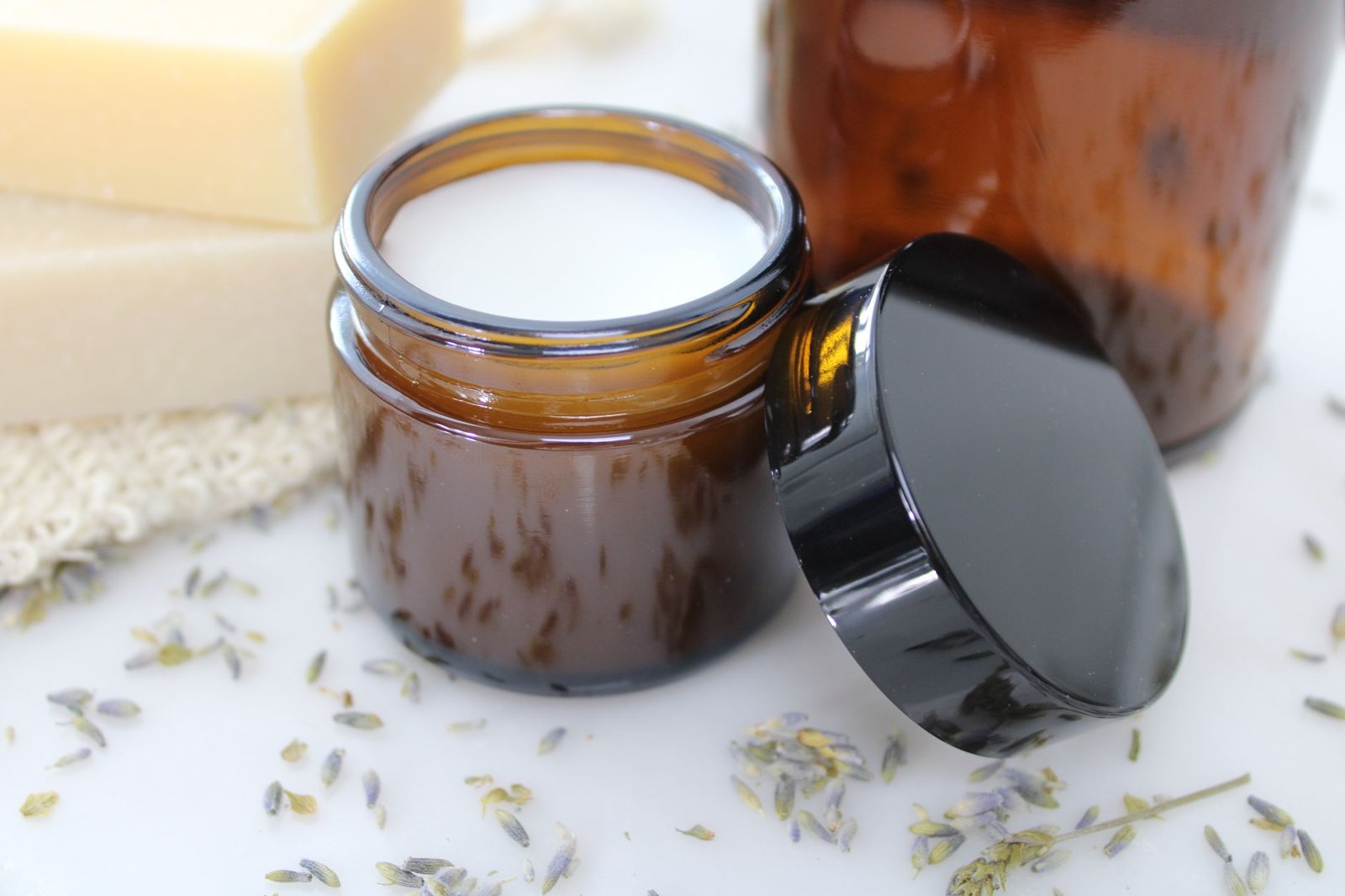
Wait until the leather is completely dry, then apply a small amount of leather conditioner to a soft cloth and rub it in gently. Let it absorb for 20 to 30 minutes, then buff away any excess with a clean cloth. If it still feels dry, repeat the conditioning the next day rather than piling on more product at once.
When to Call a Professional
Some stains are beyond home treatment. Call a leather specialist if the item is aniline leather, suede or nubuck, if the stain is from a permanent marker and covers a large area, if the leather is very light coloured and the ink has soaked in, if you can see the finish lifting or colour coming off on your swab, or if the item is valuable enough that a mistake would cost more than the repair. A professional has solvents, dyes and recolouring tools that are not available to home users. The cost of a professional clean is usually far less than the cost of replacing a good bag or jacket.
Ink on leather feels like a disaster when you first see it, but most stains are fixable with patience and the right order of methods. Start gentle, test everything, blot instead of rubbing, and condition afterwards.
Frequently Asked Questions
How do you remove ballpoint pen ink from leather?
Start with mild soap and water on a barely damp cloth. If the mark stays, dab it with a cotton swab dampened with 70 percent isopropyl alcohol, working from the edge toward the centre and switching to a fresh swab as ink transfers. Wipe with a damp cloth, let it dry, then condition the leather.
Does rubbing alcohol damage leather?
It can, if it is overused or used on the wrong leather. On finished leather, a small amount on a cotton swab is usually safe, but it strips natural oils, so you must condition afterwards. Avoid alcohol on aniline leather, suede and nubuck, and stop at once if you see leather colour coming off on the swab.
Can you remove ink from leather with hairspray?
Old hairspray formulas worked because they were mostly alcohol, but modern hairsprays contain polymers that leave a sticky film. Hand sanitiser or plain rubbing alcohol works better. If you do use hairspray, wash the residue off thoroughly with warm water and mild soap.
How do you remove ink from a leather bag?
Place the bag on a flat surface, blot any wet ink first, then clean with mild soap and water. For a set-in mark, use rubbing alcohol on a cotton swab, testing on a hidden spot first. Check the lining too, since ink can bleed through, and condition the leather when you finish.
How do you remove ink from a leather jacket?
Test inside a pocket flap first, then try soap and water, followed by a leather cleaner. Ballpoint ink usually responds to rubbing alcohol on a cotton swab. Work gently, dry each pass, and condition the jacket afterwards so the treated area does not stiffen.
Can ink be removed from white leather?
Yes, but white leather shows every trace, so patience matters. Try soap and water first, then alcohol in short gentle passes with fresh swabs. If a faint shadow remains, a specialist leather ink remover or a professional clean is the best next step, because strong solvents can yellow white leather.
Does ink come out of suede?
Wet methods make ink spread on suede, so do not use alcohol or soapy water. Let the ink dry completely, then try a suede eraser or a fine suede brush. If the mark stays, take the item to a suede specialist, who can treat it without ruining the nap.
How do you remove permanent marker from leather?
Permanent marker is the hardest ink stain. Try a specialist leather ink remover first, then rubbing alcohol in short passes with fresh swabs. Acetone can work but risks stripping the finish, so use it only as a last resort on a small area. Large marker stains are best left to a professional.
Does saddle soap remove ink from leather?
Saddle soap can lift ballpoint and light ink stains on finished leather, and it cleans and lightly conditions at the same time. Dampen a sponge, work up a little lather, rub gently over the stain, wipe clean and dry. It is less effective on permanent marker or old set-in stains.
How do you remove dried ink from leather?
Dried ink needs a solvent method. Start with a leather cleaner or saddle soap to clean the surface, then use rubbing alcohol on cotton swabs in gentle passes. Work slowly and expect several rounds. If nothing moves after a few careful attempts, a specialist ink remover or a professional is the sensible next step.
What should you never use on an ink stain on leather?
Never use bleach, household all-purpose cleaners, baby wipes, or a magic eraser on good leather. Bleach strips colour permanently, household cleaners dry leather out, and a magic eraser is abrasive enough to remove the leather finish along with the ink.
Should you condition leather after removing ink?
Yes, always. Cleaning and especially alcohol remove natural oils from leather, which can leave the treated patch stiff and prone to cracking. Apply leather conditioner once the area is fully dry, let it absorb, buff off the excess, and repeat the next day if the leather still feels dry.
#InkStainRemoval #LeatherCare #LeatherCleaning #LeatherBagCare #LeatherDIY #LeatherTips