
Choosing a leather wallet sounds simple until you face a shelf full of them. Prices range from a few pounds to several hundred, and some wallets fall apart in a year while others still look good after a decade. The difference is rarely the brand name. It is the leather, the workmanship, and whether the size suits the way you live. A wallet is one of the few things most of us carry every single day, so it is worth taking a little time to choose well.
Before You Buy: Know How You Will Use It
Start with your own habits, not with the wallet on display. Think about what you carry every day. Most people carry a handful of cards, some cash, and an ID. Some carry a lot more, including receipts, loyalty cards, and coins. If you try to fit all of that into a slim wallet, it will bulge, the stitching will strain, and the leather will stretch out of shape.
Where you carry it matters too. A back pocket wallet gets sat on all day, so it needs to be slim. A jacket pocket gives you more room, and a long wallet starts to make sense there. Be honest about what you actually carry, and the right size becomes obvious.
Full-Grain, Top-Grain or Genuine: What the Label Really Means
The leather itself matters most. Full-grain leather is the top layer of the hide, with the natural grain left untouched. It is the strongest grade, and it develops a rich patina over time, which means the colour deepens and the surface gains character with use. Top-grain leather is the same top layer, lightly sanded and finished. It looks more even and is a little thinner, which suits wallets well. Genuine leather sounds like the best, but it is a lower grade from the lower layers of the hide: thinner, less durable, and with no real patina. Bonded leather sits at the bottom: leather scraps glued together, which tend to peel and crack within a year or two. Our guide to what full-grain leather is explains the grades in more detail.
| Leather grade | What it is | How it ages | Best for |
|---|---|---|---|
| Full-grain | Top layer, natural grain untouched | Develops a rich patina, lasts longest | A wallet you want to keep for years |
| Top-grain | Top layer, lightly sanded and finished | Ages well, even look, slightly softer | Everyday wallets, looks and durability |
| Genuine leather | Lower layers of the hide | Wears faster, little patina | Budget wallets, short term use |
| Bonded leather | Leather scraps glued together | Peels and cracks quickly | Best avoided for a daily wallet |
If the wallet has no label at all, treat that as a warning sign. A maker who is proud of the leather will say what it is.
Bifold, Trifold, Card Holder or Long Wallet?
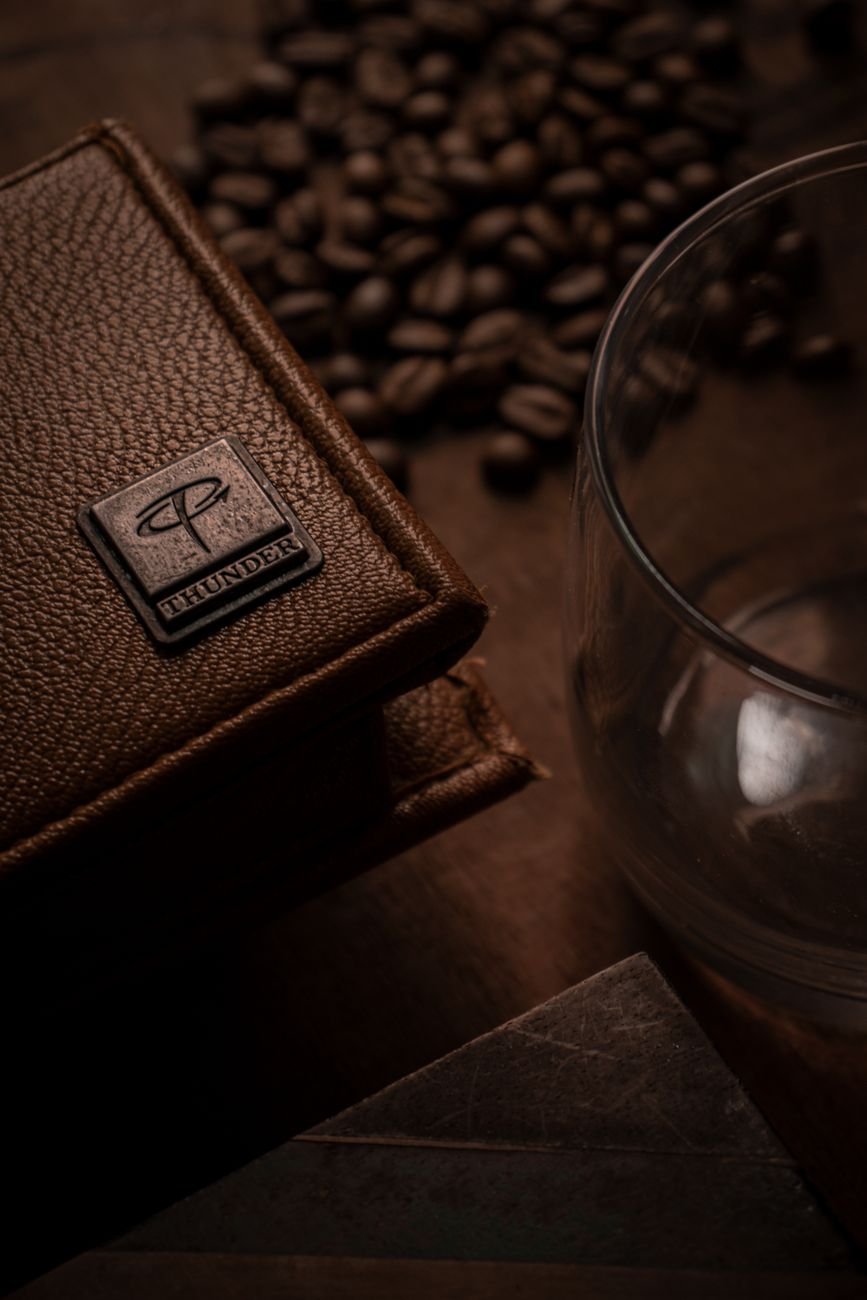
A bifold folds in half and is the most common style. It holds a good number of cards, has a note compartment, and sits reasonably flat in a back pocket. Our comparison of bifold vs trifold wallets has the detail, but the short version is that a bifold suits most people.
A trifold folds in three, so it holds more cards but is thicker and can feel bulky. A card holder holds a few cards and maybe one folded note, and it is ideal if you mostly pay by card or phone. A long wallet holds notes flat, suits jacket pockets and bags, but is too big for most trouser pockets.
There is no best style, only the one that fits your pocket and your cards. A wallet that holds six cards comfortably will not hold twelve without stretching.
Size and Capacity: How Much Do You Really Carry?
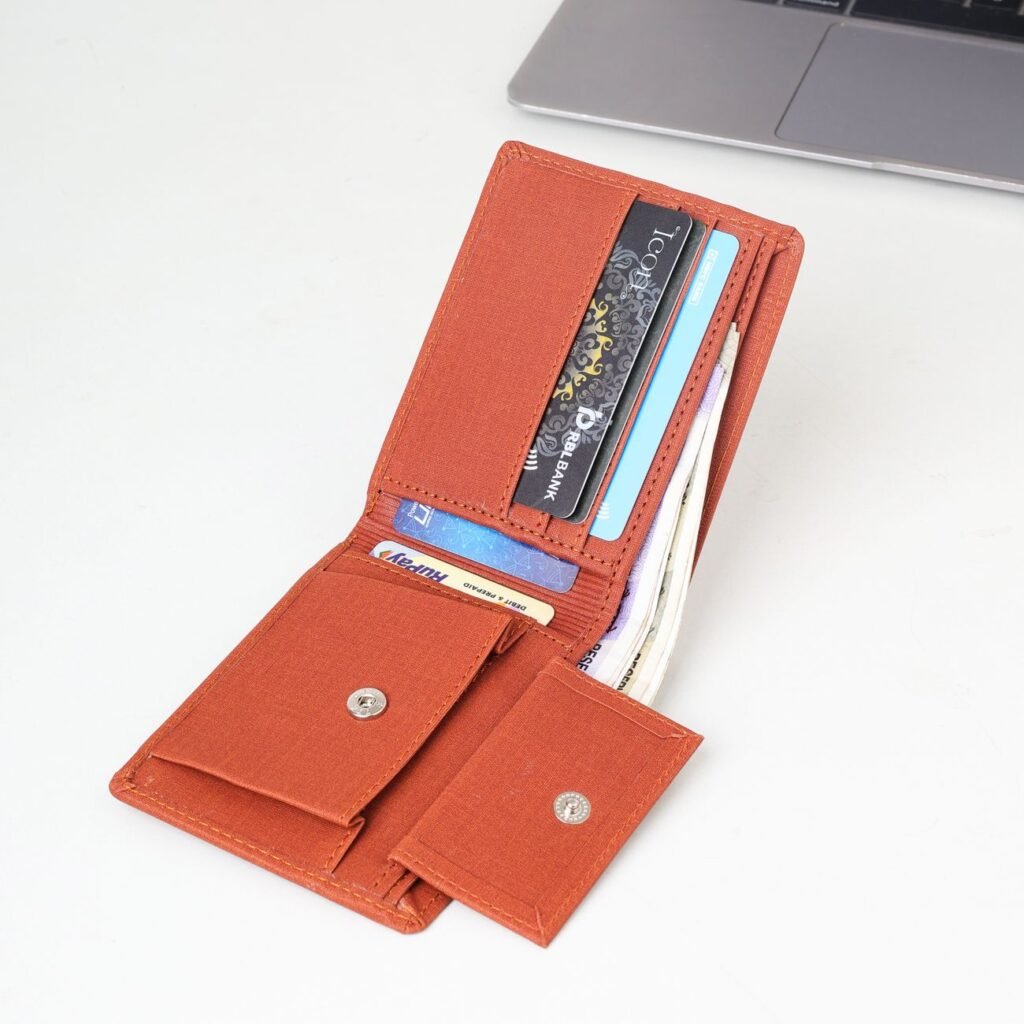
Buy a wallet that fits what you carry plus one or two spare slots, and no more. Extra empty slots add bulk and tempt you to fill them with cards you do not need. Before you buy, empty your current wallet onto a table. You will probably find cards you have not used in months and old receipts. Leave those at home.
Card slots should feel snug, not loose: a card that slides out too easily will fall out as the leather softens, while a slot that is far too tight will stretch the leather. Notes should fit without folding twice, and coins need a pocket with a secure closure.
The Leather Itself: Feel, Smell and Finish
When you can handle the wallet in person, use your senses. Real leather has a slightly uneven surface, with small natural marks in the grain. It feels warm and a little soft, and it bends without creasing sharply. Fake leather, which is plastic made to look like leather, often feels cold, very smooth, and almost perfect, with a repeating grain pattern that looks printed on. It also smells of chemicals or plastic, while real leather has a warm, earthy smell. Leather is made by tanning animal hides, so a little variation between wallets is normal and even a good sign.
A wallet dyed all the way through will keep its colour as it wears, while one coloured only on the surface will show pale marks where it rubs. Vegetable tanned leather darkens with sun and use, while chrome tanned leather is softer and comes in more colours.
Stitching, Edges and Hardware: The Small Details That Decide Durability
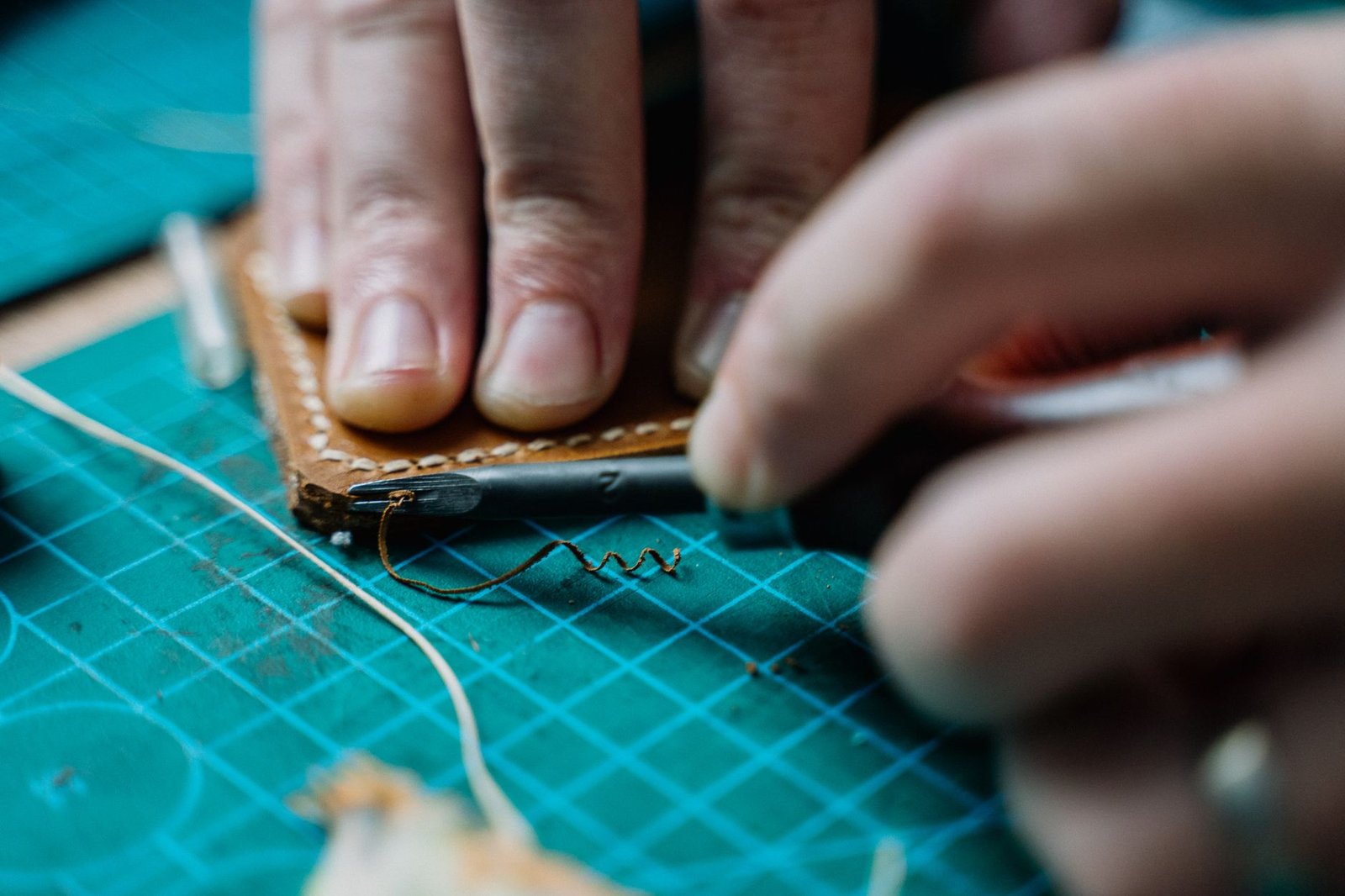
A wallet fails at its weakest point, and that is almost always the stitching or the edges. Look closely at the stitching. It should be even, tight, and straight, with no loose threads or skipped stitches. Good wallets are often saddle stitched by hand, so even if one stitch breaks, the rest hold. Machine stitching is fine too, as long as it is neat.
Check the edges too. On a well made wallet they are burnished, smoothed and sealed so they feel rounded and will not fray. Rough, fuzzy edges will only get worse. Test any zip, popper, or clasp several times: it should move smoothly and close firmly. Cheap zips are one of the first things to fail.
Style, Colour and How a Wallet Ages
Black and dark brown are the safe choices: they go with everything and show little dirt. Tan and lighter browns age more visibly, picking up marks and darkening with use. Navy and burgundy can look smart, but they show wear more quickly.
Think about how you want the wallet to look in five years. Full-grain wallets will look different, and usually better, than they do on day one. Top-grain wallets will stay closer to how they looked when new. Genuine and bonded leather will usually look worse. If you like a wallet that shows where it has been, go for full grain. If you want it to look the same in a year, top grain is the safer choice.
How Much Should You Pay?
Price usually reflects the leather and the workmanship. As a rough guide, a decent wallet from a reputable maker costs between 40 and 150 pounds or dollars, with handmade full-grain wallets at the higher end. Very cheap wallets, under 20, are almost always bonded or fake leather and rarely last a year. Very expensive wallets, over 200, often charge for a designer name, so check the label and stitching rather than trusting price alone.
If your budget is tight, a top-grain wallet from a small maker can be excellent value. It will last for years and cost far less than a full-grain designer wallet. What matters is spending on the right things: real leather of a decent grade, solid stitching, and a size that fits your life.
Mistakes to Avoid When Buying a Leather Wallet
The most common mistake is buying a wallet too big for what you carry: it feels fine in the shop, but once full it bulges and the stitching strains. The second is trusting the word “genuine” without checking what it means. The third is ignoring the stitching and edges. The fourth is buying on looks alone, and the fifth is overfilling a new wallet from day one, which stretches leather that will never sit flat again.
Many wallets advertise RFID protection, a lining that blocks contactless card signals. The risk of this kind of theft is very low, so treat it as a small bonus, not a reason to pay a premium.
A good wallet needs little care: wipe it with a soft dry cloth now and then, and condition it once or twice a year. The same rules in our guide on how to clean a leather jacket apply here: never soak leather, never dry it with heat, and never use household cleaners on it.
Choosing a wallet comes down to three things: the grade of the leather, the quality of the making, and the fit with your daily life. Count your cards, check the label, look at the stitching, and pick a style you will enjoy carrying every day.
Frequently Asked Questions
How do I choose the right leather wallet?
Count the cards and cash you carry every day, then choose a style and size that fits that load plus one or two spare slots. Check the leather grade, look at the stitching and edges, and pick full-grain or top-grain leather.
What is the best leather for a wallet?
Full-grain leather is the best choice for durability, because it is the strongest grade and develops a rich patina. Top-grain leather is a good alternative if you want a more even look and a slightly softer feel.
Is genuine leather good for a wallet?
Genuine leather is real leather, but it is a lower grade made from the lower layers of the hide. It is thinner and wears out faster than full-grain or top-grain leather, so it suits a budget wallet better than one you want to keep for years.
Should I choose a bifold or trifold wallet?
A bifold is slimmer and suits most people, especially if you carry six to eight cards. A trifold holds more cards but is thicker. If you carry ten or more cards, try both in your pocket before deciding.
How many cards should a wallet hold?
Most people need space for four to eight cards. Choose a wallet that holds what you actually carry plus one or two spare slots. A wallet with far more slots than you need will be bulkier than it has to be.
How much should a good leather wallet cost?
A decent wallet from a reputable maker often costs between 40 and 150 pounds or dollars. Very cheap wallets are usually bonded or fake leather and rarely last a year.
Do I need RFID protection in a wallet?
Not necessarily. The risk of contactless card theft by scanning is very low for most people. RFID blocking adds little cost or bulk, so it is a nice bonus, but do not choose a wallet only for this feature.
How can I tell if a leather wallet is real leather?
Real leather has an uneven grain, feels warm and slightly soft, and has a warm earthy smell. Fake leather often feels cold and very smooth, has a repeating printed grain, and smells of plastic or chemicals.
What colour leather wallet should I choose?
Black and dark brown are the most versatile and show the least wear. Tan and lighter browns age beautifully and develop character, but they show marks more easily. Pick a colour you will enjoy carrying every day.
How long does a leather wallet last?
A well made full-grain or top-grain leather wallet can last five to ten years or more with basic care. A genuine leather wallet usually lasts two to four years, and a bonded leather wallet often starts peeling within a year.
#leatherWallet #choosingAWallet #bifoldWallet #fullGrainLeather #walletBuyingGuide #leatherAccessories