
If you have ever shopped for a leather bag, a jacket or a sofa, you have probably seen the words “top-grain leather” on a label or a product page. It sounds impressive, and it usually comes with a higher price than “genuine leather”, but what does it actually mean? What is top-grain leather, and is it worth paying for? The short answer is that top-grain leather is real, good quality leather made from the top layer of the hide, lightly sanded and finished to give it a smooth, even look. It sits just below full-grain leather in quality, and well above genuine leather and bonded leather. This guide explains how it is made, how it compares with other grades, and how to look after it.
How Top-Grain Leather Is Made
To understand top-grain leather, you need to know a little about how a hide is structured. A raw animal hide has several layers. The very top layer, called the grain, is the strongest and most durable part. Its fibres are tightly packed.
Full-grain leather uses this top layer exactly as it is, with all its natural marks, pores and character left visible. Top-grain leather starts from the same top layer, but it goes one step further. The surface is lightly sanded or buffed to remove natural imperfections such as scars, insect bites and stretch marks. A thin protective finish is then applied to give the leather a smooth, uniform appearance.
This sanding is the key difference between the two grades. It removes a very thin part of the top surface, which makes the leather slightly less strong than full-grain, but it also makes it look cleaner and more consistent. That is why top-grain leather is so popular for products where a neat, even finish matters, such as sofas, car seats and handbags. You can read more about the top grade in our guide on what is full-grain leather. The hide is then tanned, dyed and finished.

Top-Grain Leather Characteristics
Top-grain leather has a distinctive look and feel once you know what to look for. The surface is smooth and even, with a fine, regular grain pattern that is often embossed or printed onto the leather during finishing. It feels soft and supple, and it bends easily without creasing sharply.
Because the natural surface has been sanded and coated, top-grain leather does not show the pores, scars and wrinkles you see on full-grain leather. Some leather lovers miss that natural character, but many buyers prefer the clean, polished look. The finish also makes top-grain leather more resistant to water and stains than full-grain leather, because the coating acts as a light barrier.
Top-Grain vs Other Leather Grades
Leather grades confuse a lot of shoppers, because the names sound similar but the quality differs a lot. The table below compares the main grades side by side.
| Leather grade | Made from | Surface | Durability | Patina | Typical price |
|---|---|---|---|---|---|
| Full-grain leather | Top layer, untouched | Natural marks and pores visible | Highest | Develops a rich patina | Highest |
| Top-grain leather | Top layer, lightly sanded | Smooth and uniform | Very high | Very little | High |
| Genuine leather | Lower layers of the hide | Corrected and coated | Moderate | Almost none | Medium |
| Bonded leather | Leather scraps glued together | Plastic like coating | Low | None | Low |
| Split leather | Lower split of the hide | Usually coated or suede | Low to moderate | None | Low |
The most important comparison is top-grain vs full-grain, because they are the two grades most often confused. Full-grain is stronger and ages more beautifully, but it costs more and shows every natural mark. Top-grain is slightly less durable, but it looks more uniform and is easier to keep clean. For a sofa or a car seat, that trade off often makes sense.
The comparison with genuine leather matters more for your wallet. Despite the name, genuine leather is a lower grade from the layers beneath the top grain, thinner, weaker and heavily coated. Top-grain leather is a clear step above it in strength and lifespan. If a product is labelled genuine leather, it is not top-grain, no matter how good it looks in the shop. For a fuller explanation of the grades, the Leather Dictionary has clear definitions of each one.
Where Top-Grain Leather Is Used
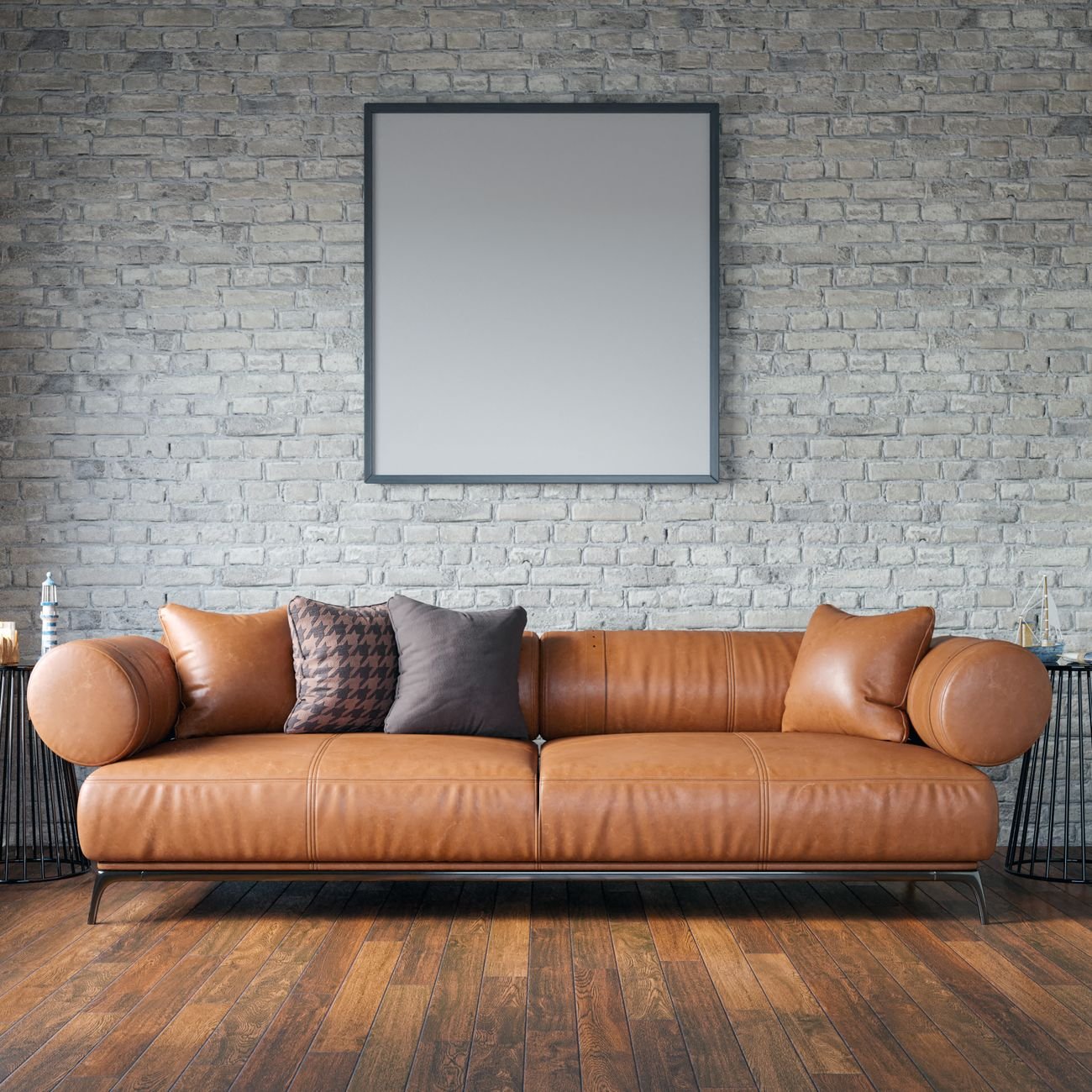
Top-grain leather is one of the most widely used leather grades in the world, because it balances quality, appearance and price so well. Leather sofas and armchairs are the most common use. Furniture makers like top-grain because it looks consistent across a large surface, resists stains from spills, and is soft enough to sit on comfortably. Car interiors are another big use, especially for seats and steering wheels in mid range and luxury cars, where a neat finish and stain resistance matter.
Handbags, wallets and belts made from top-grain leather are also common, since it holds its shape well and takes dye evenly. Our guide to the types of leather wallets explained shows which grades are used in wallets and why. You will also find it in jackets, shoes and watch straps.
Pros and Cons of Top-Grain Leather
The main advantages are appearance and practicality. Top-grain leather looks smooth, neat and expensive, and it stays looking that way for years. It resists stains and water better than full-grain leather thanks to its protective finish, and it is softer from the start, so a new bag or jacket feels comfortable straight away. It is also usually cheaper than full-grain leather, which makes it good value for large items like sofas.
The main disadvantages are about character and longevity. It does not develop the deep patina that makes full-grain leather so loved, and because the top surface has been sanded, it is slightly less strong and less breathable than full-grain. The finish can also wear or crack over many years if the leather is not cared for, especially on items that get heavy daily use like a car seat or a favourite bag. For most buyers, the pros outweigh the cons.
How to Tell If Leather Is Top-Grain
Shops do not always label leather clearly, so it helps to know how to check for yourself. Start with the label or product description. A trustworthy seller will state the grade plainly. If it only says “genuine leather” or just “leather”, it is probably not top-grain.
Look at the surface closely. Top-grain leather has a fine, even grain pattern that repeats regularly, often because it has been embossed. If the surface looks too perfect and feels slightly plasticky, it may be genuine leather with a heavy coating instead.
Touch it and bend it. Top-grain leather feels soft and smooth, and it bends with fine, shallow wrinkles. Press your fingernail lightly into a hidden area: real top-grain leather will show a small mark that fades slowly, while heavily coated fake leather will not mark at all. And smell it: real leather has a warm, natural smell, while fake leather smells chemical or like plastic. The tanning and grading information on Wikipedia’s leather page is a useful background reference.
How to Care for Top-Grain Leather
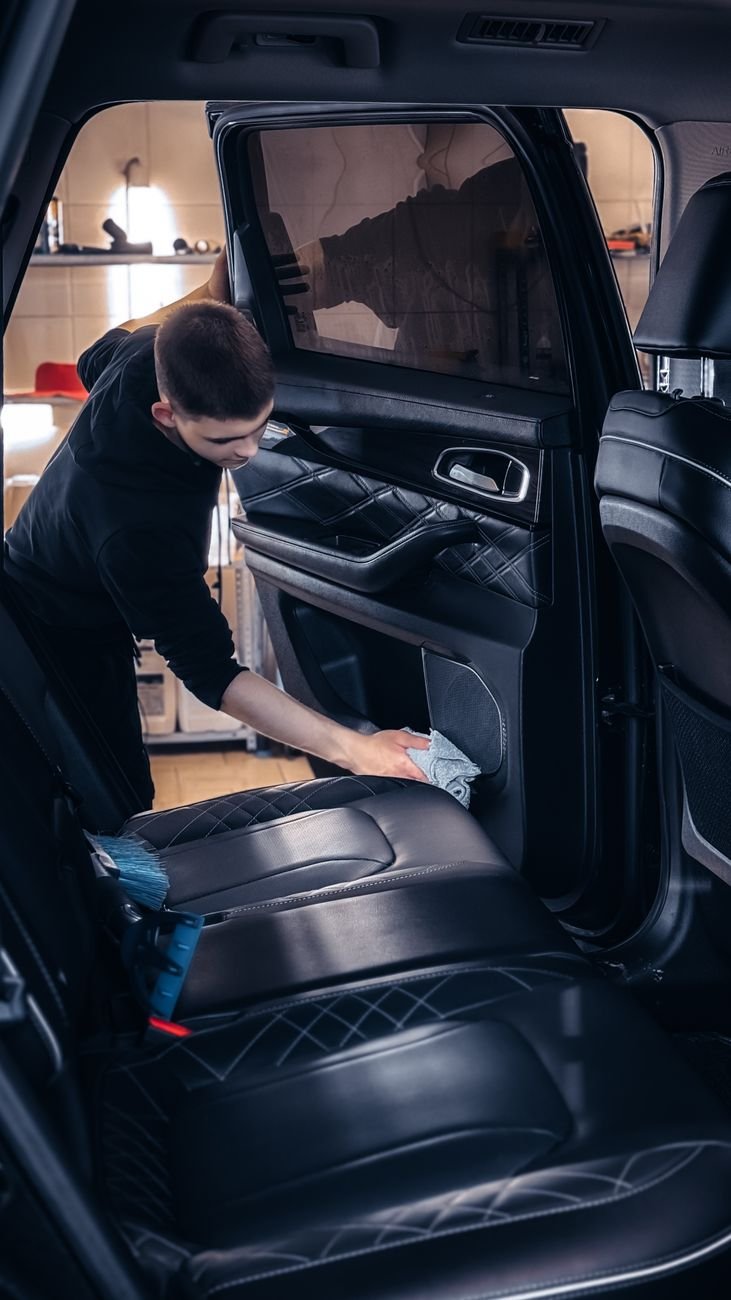
Top-grain leather is easier to care for than full-grain, but it still needs regular attention. Dust it or wipe it with a dry, soft cloth once a week. For a deeper clean, wipe it with a cloth lightly dampened with lukewarm water, then dry it with a clean cloth. Never soak it, and never use household cleaners, bleach or alcohol based wipes, because they can damage the finish.
Condition it two or three times a year with a leather conditioner made for finished leather. Apply a small amount to a soft cloth, rub it in gently in small circles, and wipe off any excess. Conditioning keeps the leather soft and stops the finish from drying out and cracking. If you own a leather jacket, the same routine applies, and our guide on how to clean a leather jacket walks through the process step by step.
Keep top-grain leather out of direct sunlight and away from radiators, because heat and sun fade the colour and dry the surface. If it gets wet, blot it gently and let it dry naturally at room temperature.
Is Top-Grain Leather Worth It?
The honest answer is yes, for most people and most uses. Top-grain leather costs more than genuine leather, but it lasts much longer, looks better, and feels better to use. It costs less than full-grain leather while offering most of the same benefits, which makes it the sweet spot for furniture, car interiors, bags and jackets.
It is worth paying for when you want a product that looks polished and stays looking neat, when stain resistance matters, or when you are buying a large item like a sofa where full-grain would be very expensive. It is less ideal if you are a leather purist who wants the toughest possible leather and the most dramatic patina, in which case full-grain is the better choice.
Frequently Asked Questions
What is top-grain leather in simple words?
Top-grain leather is real leather from the top layer of an animal hide, lightly sanded and finished to make it smooth and even. It is the second highest leather grade, just below full-grain leather.
Is top-grain leather real leather?
Yes, top-grain leather is 100 percent real leather. It comes from the top layer of the hide. It is not synthetic, and it is not made from leather scraps like bonded leather.
Is top-grain leather better than genuine leather?
Yes, top-grain leather is much better than genuine leather. It is made from the stronger top layer of the hide, while genuine leather comes from the weaker lower layers. Top-grain lasts longer, feels better and looks better.
What is the difference between full-grain and top-grain leather?
Full-grain leather uses the top layer untouched, with all its natural marks visible, and it develops a rich patina over time. Top-grain leather is the same top layer, lightly sanded and finished, so it looks smoother and more uniform.
Does top-grain leather peel or crack?
Good quality top-grain leather should not peel if it is cared for properly. The finish can crack over many years if the leather dries out, so condition it two or three times a year and keep it away from heat and direct sunlight.
Does top-grain leather develop a patina?
Top-grain leather develops very little patina, because its surface has been sanded and coated. It keeps roughly the same colour and appearance over the years, which many buyers prefer for furniture and car interiors.
Is top-grain leather good for sofas?
Yes, top-grain leather is one of the best choices for sofas. It looks neat and consistent over a large surface, resists stains well, feels soft, and is more affordable than full-grain leather for a large piece of furniture.
Is top-grain leather waterproof?
No leather is fully waterproof, but top-grain leather resists water better than full-grain because of its protective finish. Small spills can be wiped off quickly, but you should still keep it away from heavy rain and standing water.
How long does top-grain leather last?
With normal use and basic care, a well made top-grain bag or sofa can easily last ten years or more, though not quite as long as the same item in full-grain leather.
How can I tell top-grain leather from fake leather?
Real top-grain leather feels soft and warm, smells like natural leather, and shows a faint mark when you press it with a fingernail. Fake leather feels plasticky and smells chemical.
Can you condition top-grain leather?
Yes, you should condition top-grain leather two or three times a year with a conditioner made for finished leather. Use a small amount on a soft cloth, rub it in gently, and wipe off the excess.