
If you have ever touched a pair of boots or a bag that felt soft and velvety, almost like peach skin, you may have been touching nubuck leather. It looks understated, feels warm in the hand, and turns up on everything from work boots to luxury handbags. Yet many people buy nubuck without knowing what it really is, and then they are surprised when a drop of water leaves a mark or a scuff shows up after one wear.
So what is nubuck leather, in plain terms? Nubuck is top grain leather, usually cowhide, whose outer surface has been lightly sanded or buffed to create a fine, soft nap. It keeps the strength of the top grain layer, which is the strongest part of the hide, while gaining a smooth, velvety feel. That combination of strength and softness is what makes nubuck special, and it is also what makes it need more care than smooth leather.
This guide explains how nubuck is made, how it compares with suede and other leathers, where it is used, what it costs, and how to look after it so it lasts.
How Nubuck Leather Is Made
Nubuck starts life as top grain cowhide, the same strong outer layer used for high quality smooth leather. The difference comes in the finishing. After tanning, the grain surface is sanded very lightly with fine abrasives. This raises a short, fine nap on the surface, which is the soft, slightly fuzzy texture you feel when you run a finger across it.
The sanding is light, not deep. That matters, because the top grain layer is what gives the leather its strength. Nubuck keeps that layer intact, unlike suede, which is made from the underside of the hide. This is the key fact that separates nubuck from suede, and it is the reason nubuck is stronger and more durable than suede, even though the two look similar at a glance.
After sanding, the leather is dyed. Nubuck is often dyed with aniline dyes, which soak into the leather rather than sitting on top of it. Aniline dye keeps the natural look of the leather and lets the fine nap show through, but it offers little protection against stains. That is why nubuck is usually treated with a protective spray before it is sold, and why makers recommend reapplying that protection regularly.

What Does Nubuck Feel Like?
Nubuck feels soft, dry and velvety, with a texture often compared to fine sandpaper or peach skin. When you brush your hand across it, the nap changes shade slightly, leaving a lighter trail where the fibres have been pushed one way. This is sometimes called “writing” on the leather, and it is normal. The marks disappear with a light brush.
Good nubuck has a short, even nap and a rich, consistent colour. If the nap looks patchy or the colour looks uneven when new, the sanding or the dyeing was probably poor. The feel should be smooth and dry, not sticky or oily. Nubuck that feels greasy may have been over treated, or it may be a cheaper imitation.
Nubuck vs Suede: What Is the Difference?
Nubuck and suede are the two leathers people confuse most often, so it is worth setting the difference out clearly. Both have a soft nap, but they come from different parts of the hide and they behave differently.
Suede is made from the underside of the hide, the split layer below the top grain. It is soft and flexible, but it is thinner and weaker, because it has no grain layer to give it strength. Nubuck is made from the top grain, sanded on the outside, so it is thicker, stronger and more resistant to wear. To learn more about the other side of this comparison, read what is suede leather.
In practical terms, nubuck is the better choice for items that take a beating, such as boots and work shoes. Suede is softer and more flexible, and it suits lighter items such as jackets, gloves and fashion shoes that are not worn in rough conditions. Nubuck usually costs more than suede, because it starts from better leather.
| Feature | Nubuck Leather | Suede |
|---|---|---|
| Made from | Top grain, sanded on the outside | Underside of the hide (split) |
| Strength | Stronger, more durable | Softer, weaker, tears more easily |
| Texture | Short, fine, velvety nap | Longer, softer, more fibrous nap |
| Water resistance | Low, marks easily | Low, marks easily |
| Best for | Boots, shoes, bags, furniture | Jackets, gloves, fashion shoes |
| Typical price | Higher | Lower |
Nubuck vs Full Grain and Top Grain Leather
Nubuck sits in the same family as full grain leather and top grain leather, because it starts from the same top layer of the hide. The difference is only the finish. Full grain leather keeps its natural grain surface untouched, so it is the strongest and it develops a patina over time. Top grain leather has the very top surface lightly corrected, then it is finished smooth. Nubuck takes top grain leather and sands the surface to a soft nap instead of finishing it smooth.
That means nubuck is strong, but it does not behave like smooth leather. Smooth full grain leather can be wiped clean and conditioned with oils and creams. Nubuck cannot. Creams and oils will darken it, flatten the nap and leave stains. Nubuck needs its own care routine, with a brush and a spray, and that is something to know before you buy.
Where Is Nubuck Leather Used?
Nubuck turns up in more places than most people realise. The best known use is footwear. Work boots, hiking boots, desert boots and many smart casual shoes are made from nubuck, because it is strong, looks smart without shining, and feels comfortable against the foot. Classic boot makers have used nubuck for decades for exactly those reasons.
Bags are another common use. A nubuck handbag or messenger bag has a soft, matte look that suits both casual and smart outfits, and the leather is strong enough to carry weight without sagging. You will also find nubuck on jackets, gloves and belts, and on furniture such as sofas and armchairs, where the soft touch feels luxurious. Some car makers use nubuck on seats, dashboards and steering wheels, where it gives a grippy, premium feel, though it needs regular cleaning to stay looking good.
Is Nubuck Leather Good Quality?
Yes, real nubuck made from top grain cowhide is a good quality leather. It is stronger than suede, it holds its shape well, and it looks refined without the shine of smooth leather. It is a popular choice with makers who want a premium material that still feels practical and understated.
The quality depends on the hide and the tannery. Good nubuck comes from full hides with a tight grain, sanded evenly and dyed well. Poor nubuck can come from thin or loose grained hides, and it will wear through the nap quickly, look patchy and stain more easily. As with all leather, the cheapest option is rarely the best value.
One honest limitation is that nubuck shows marks. Water drops, oil from your hands and scuffs all show on the nap, at least until you brush them out. If you want a leather you can ignore, smooth full grain leather is more forgiving. If you like the soft matte look and you are willing to brush your boots or bag now and then, nubuck rewards you.
How to Care for Nubuck Leather
Nubuck care is different from smooth leather care, and using the wrong products is the most common mistake. Never use ordinary leather cream, conditioner or oil on nubuck. These products soak into the nap, darken the leather and leave greasy marks that are very hard to remove.
The right routine is simple. First, protect new nubuck with a spray made for nubuck or suede, and let it dry fully before you wear the item. Reapply the spray every few weeks if you wear the item often, or after it gets wet.
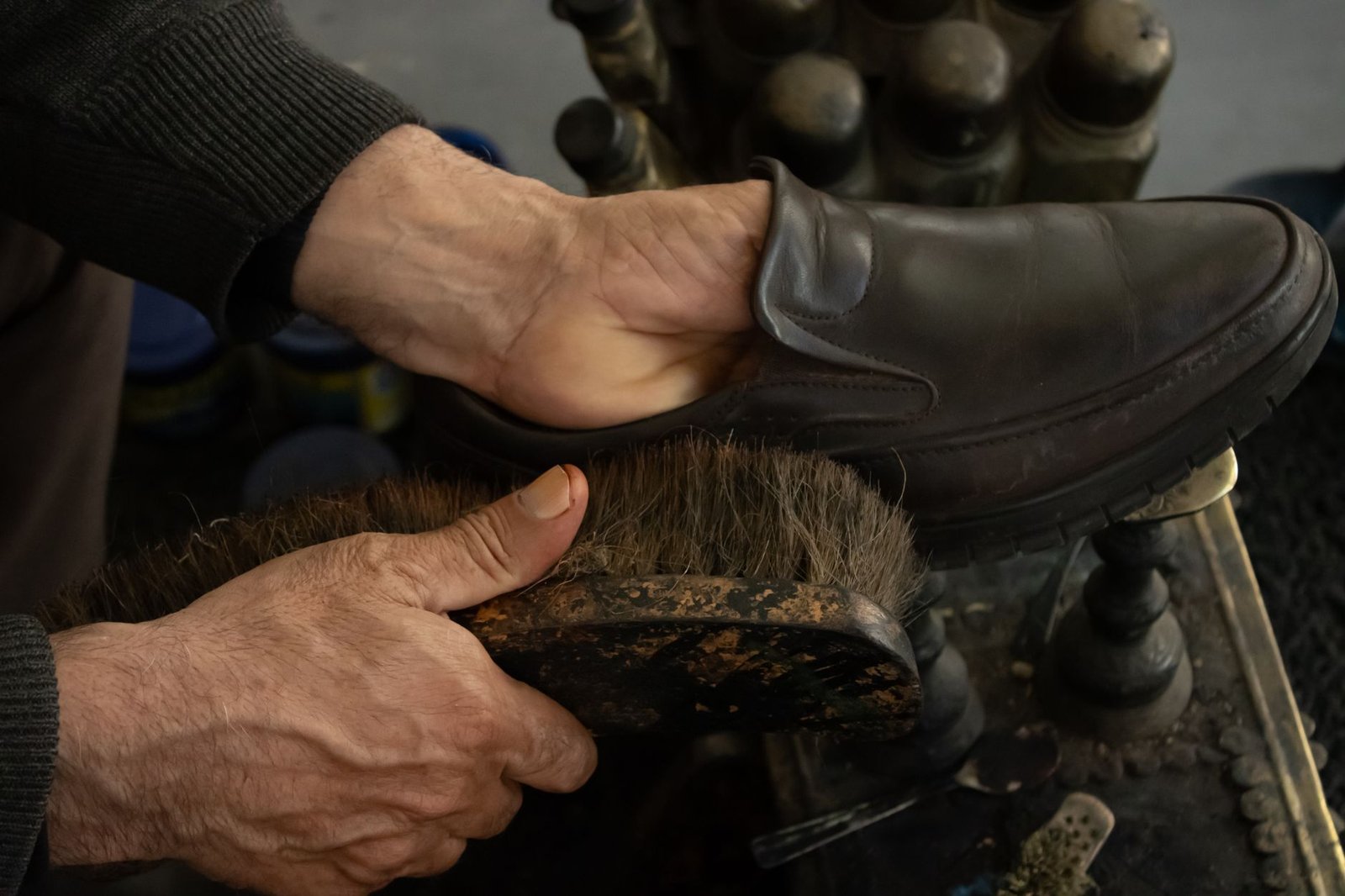
For daily care, use a soft nubuck brush. Brush gently in one direction to lift dust and restore the nap. For scuffs, a nubuck eraser, which looks like a small rubber block, will usually lift the mark. Brush again after erasing to even out the nap.
If nubuck gets wet, let it dry naturally at room temperature, away from direct heat or a radiator. Stuff shoes with newspaper or shoe trees so they keep their shape while drying. Once dry, brush the nap back up. If a stain remains, a cleaner made for nubuck can help, but test it on a hidden spot first. With this routine, nubuck boots and bags can last for years. Without it, they can look tired within a season.
How to Spot Real Nubuck and What It Costs
Real nubuck has a few signs you can check before buying. First, look at the edge of the leather. Real nubuck is a solid piece of hide, and the edge will look dense and fibrous, not layered like cardboard. Fake nubuck, often made from plastic or bonded fibres, may have a printed grain or a foam like backing.
Second, touch the surface. Real nubuck feels dry, soft and slightly warm, and the nap changes shade when you brush your hand across it. Plastic imitations often feel cold, slippery or sticky, and the nap does not change shade in the same way.
Third, check the price and the label. The label should say nubuck leather or nubuck cowhide, not “nubuck finish” or “nubuck style”, which often means the material is not real leather at all. When in doubt, buy from a maker you trust and keep the receipt.
Nubuck costs more than suede and most corrected grain leathers, because it starts from top grain hides and needs careful sanding and dyeing. As a rough guide, nubuck boots from a good brand often cost between 150 and 350 dollars, while luxury nubuck shoes can cost much more. A nubuck bag from a quality maker may cost 200 to 500 dollars or more, depending on size and brand. Cheaper nubuck items are often made from thinner hides, and the nap wears out faster.
Is Nubuck Leather Worth Buying?
Nubuck is worth buying if you like its look and feel and you are willing to care for it. It is strong, comfortable and understated, and it suits boots, shoes and bags that you want to look smart without a shine. It is a particularly good choice for footwear, where its strength is a real advantage over suede.
It is not the best choice if you want a material you can neglect, or if you will wear it in heavy rain and mud without protection. In that case, smooth full grain leather, or a well waxed boot leather, will be more forgiving. Nubuck is also not ideal for items that will be handled with oily hands, such as a tool bag, since oil marks the nap quickly.
The honest answer is that nubuck rewards a little attention. Spend five minutes brushing and spraying now and then, and it will look good for years. Ignore it completely, and it will show every mark.
Final Thoughts
Nubuck leather is top grain leather with a sanded, velvety surface. It is stronger than suede, softer than smooth leather, and it has a quiet, matte look that works on boots, bags and jackets. It needs different care from smooth leather, a brush and a spray instead of creams and oils, and it shows water and scuffs more easily. If you know that before you buy, and you are happy with the small care routine, nubuck is a rewarding leather to own.
When you shop for nubuck, check that it is real top grain nubuck, buy from a maker you trust, and protect it before the first wear. Those three steps make more difference than any single product you can buy afterwards.
FAQs
What is nubuck leather made from?
Nubuck leather is made from top grain cowhide, usually from cattle. The outer grain surface is lightly sanded to create a short, soft nap, while the strong grain layer underneath stays intact.
Is nubuck real leather?
Yes, real nubuck is genuine leather made from animal hide. Be careful with labels that say “nubuck finish” or “nubuck style”, which often mean a synthetic material made to look like nubuck.
What is the difference between nubuck and suede?
Nubuck is made from the top grain of the hide, sanded on the outside, so it is stronger and more durable. Suede is made from the underside of the hide, so it is softer but weaker and tears more easily.
Is nubuck leather waterproof?
No, nubuck is not waterproof. It absorbs water easily and water drops can leave marks. A protective spray made for nubuck helps, but it does not make the leather fully waterproof.
How do you clean nubuck leather?
Brush it gently with a nubuck brush to remove dust, use a nubuck eraser for scuffs, and use a cleaner made for nubuck for stains. Never use ordinary leather cream, conditioner or oil on nubuck.
Can you use leather conditioner on nubuck?
No. Ordinary leather conditioner, cream and oil will darken nubuck, flatten the nap and leave stains. Use only products made for nubuck or suede.
Does nubuck leather last long?
Yes, with care. Nubuck boots and bags made from good top grain leather can last many years. The nap may wear on high friction areas over time, but the leather underneath stays strong.
Is nubuck better than full grain leather?
Neither is better in every way. Full grain leather is stronger and more resistant to marks, and it develops a patina. Nubuck is softer and has a matte, velvety look. Full grain is more forgiving, nubuck is more refined in feel.
Can nubuck get wet?
Yes, it can get wet, but water can leave marks on the nap. If nubuck gets wet, let it dry naturally away from heat, then brush the nap to restore the texture. A protective spray reduces marking.
How do you remove stains from nubuck?
For light marks, brush and use a nubuck eraser. For deeper stains, use a cleaner made for nubuck, testing it on a hidden area first. Oil stains are the hardest to remove, so prevention with a spray is best.
Is nubuck leather expensive?
Nubuck usually costs more than suede and corrected grain leather, because it starts from top grain hides. Nubuck boots often cost 150 to 350 dollars from a good brand, and bags can cost more depending on the maker.
What is nubuck used for?
Nubuck is used for boots, shoes, bags, jackets, gloves, belts, furniture and car interiors. It is most popular in footwear, where its strength and soft matte look are valued.
Does nubuck scratch easily?
Nubuck scuffs more easily than smooth leather, because marks show on the soft nap. Most light scuffs can be brushed or erased away, which is why a nubuck brush is worth owning.
Can you wear nubuck in the rain?
You can, but it is best to protect nubuck with a spray first and to avoid heavy rain when possible. Light rain is usually fine if the leather is protected and dried properly afterwards.
How can you tell nubuck from suede?
Nubuck has a shorter, finer nap and feels firmer, because it comes from the top grain. Suede has a longer, softer nap and feels more flexible, because it comes from the underside of the hide. Nubuck is also usually more expensive.
#NubuckLeather #LeatherGuide #LeatherCare #SuedeVsNubuck #LeatherTypes #Nubuck